
Late updated: 05 Jan 2026 08:01
Written by: Oliver Bennett
AI-Driven Urban Energy Efficiency Solutions in the UK: Enhancing Sustainability
Artificial intelligence is increasingly transforming urban energy environments across the UK. Our blog explores how AI-driven innovations are becoming fundamental in increasing energy efficiency while aligning with sustainability goals and reducing energy costs. The UK is swiftly positioning itself as a leader in clean energy through strategic investments in AI technology.
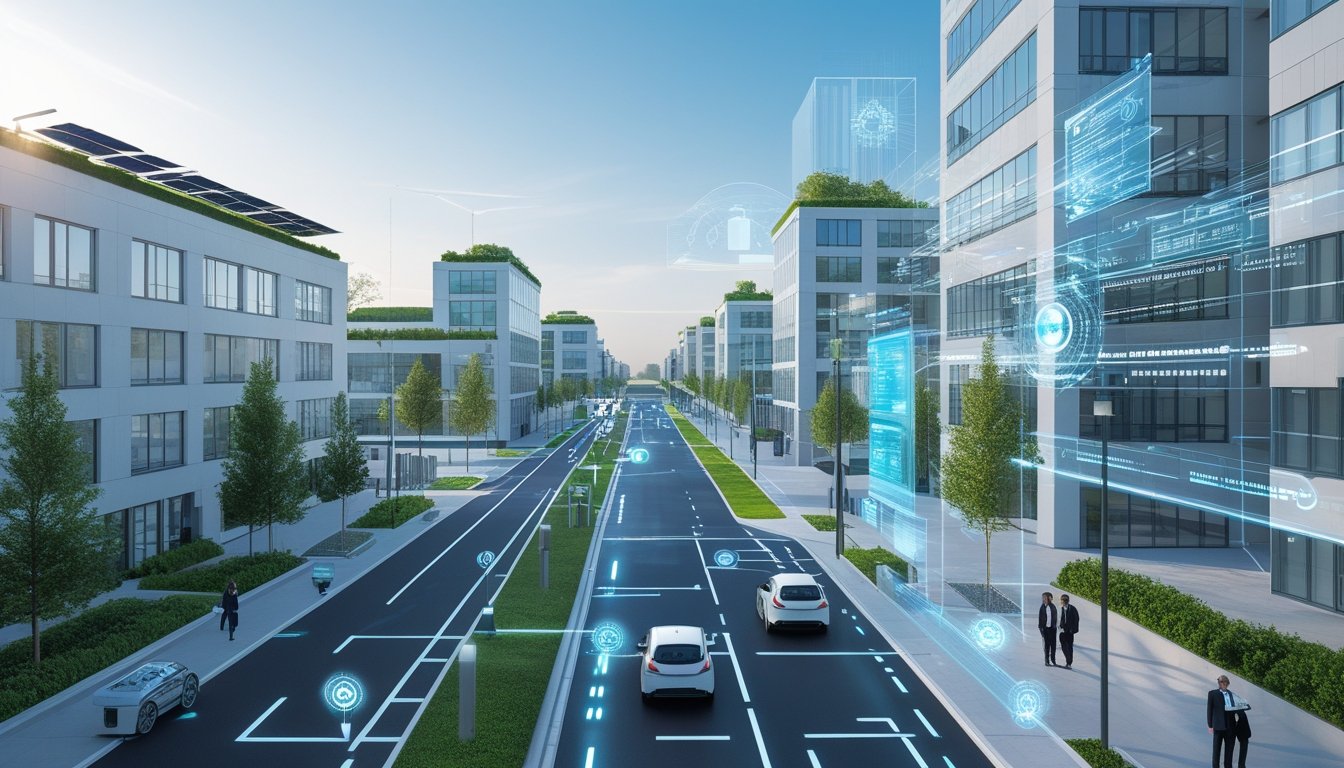
AI platforms are reshaping the way energy is consumed and managed. In cities, smart systems optimise delivery routes and manage electric vehicle fleets, significantly lowering emissions and congestion. Additionally, AI tools are innovating energy management in homes by balancing efficiency with comfort, promising lower energy bills and increased sustainability.
The focus on AI-driven developments in the UK's energy strategy underlines its importance in urban planning and policy adjustments. As policymakers advocate for these advanced solutions, it's critical to understand their potential contributions to a sustainable future. Exploring these contemporary changes gives us a clearer view of urban energy efficiency's evolving landscape.
Key Takeaways
- AI is central to enhancing the UK's urban energy efficiency.
- Smart systems optimise energy use in cities and homes.
- Policies incorporate AI for sustainable urban energy solutions.
Core AI-Driven Urban Energy Efficiency Solutions in the UK
In the UK, artificial intelligence is becoming instrumental in enhancing the efficiency and sustainability of urban energy systems. Key initiatives target optimising energy management, integrating smart building technologies, modelling energy retrofits, and stabilising grids with renewable energy sources. Here’s a closer look at modern AI applications in urban energy solutions.
AI-Powered Energy Management Systems
AI-driven energy management systems are transforming how we approach power consumption and optimisation. These systems utilise artificial intelligence to monitor and control energy use, leading to significant energy savings. They include technologies such as predictive maintenance and smart heating, which anticipate system needs and potential failures, reducing waste and downtime.
By forecasting energy demand and adjusting allocation, AI systems ensure that resources are used efficiently. Integrating energy storage solutions, like battery storage, further enhances flexibility. This not only improves operational efficiency but also supports the broader integration of renewable energy, reducing reliance on fossil fuels and advancing the UK's clean energy goals.
Smart Buildings and Building Energy Efficiency
Incorporating AI in smart building technologies is pivotal for achieving optimal building energy efficiency. Buildings equipped with AI can intelligently manage features such as lighting, heating, and ventilation systems. Energy management systems employing artificial neural networks can analyse patterns in energy consumption and make real-time adjustments.
These technologies contribute to energy efficiency by ensuring that energy is only used when and where it’s needed. Moreover, AI systems facilitate the integration of smart meters, allowing for precise monitoring and adaptive control. By leveraging digital twins, building managers gain insights into the potential impact of different scenarios, leading to informed decisions on resource allocation and consumption reduction.
Energy Retrofit Strategies and Modelling
When retrofitting buildings for better energy performance, AI plays a crucial role. Energy retrofit strategies often rely on physics-based models alongside AI to simulate various upgrades and predict outcomes. AI-driven energy models provide insights into the most effective modifications, guiding retrofitting processes toward achieving net-zero targets.
By analysing existing structures and designing improvements, these models create digital twins to simulate energy demands. This approach accelerates retrofit projects by identifying optimal energy savings and potential efficiency gains. The use of AI in these initiatives ensures that retrofits are not only effective but also economically viable over the long term.
AI Integration in Grid Stability and Renewable Energy
The integration of AI in maintaining grid stability and supporting renewable energy uptake is of utmost importance for urban areas in the UK. These systems manage the dynamic fluctuating inputs from renewable sources, such as solar energy. AI helps balance supply and demand, reducing the risk of outages and ensuring consistent power delivery.
Grid stability is improved through advanced algorithms that optimise the flow of electricity between traditional power sources and renewable energy. Additionally, AI aids in energy storage management, maximising the efficacy of battery storage systems. These innovations are a cornerstone of creating resilient and sustainable urban energy systems in the UK, promoting a green future.
AI’s Role in the Transformation of Urban Energy Policy and Infrastructure
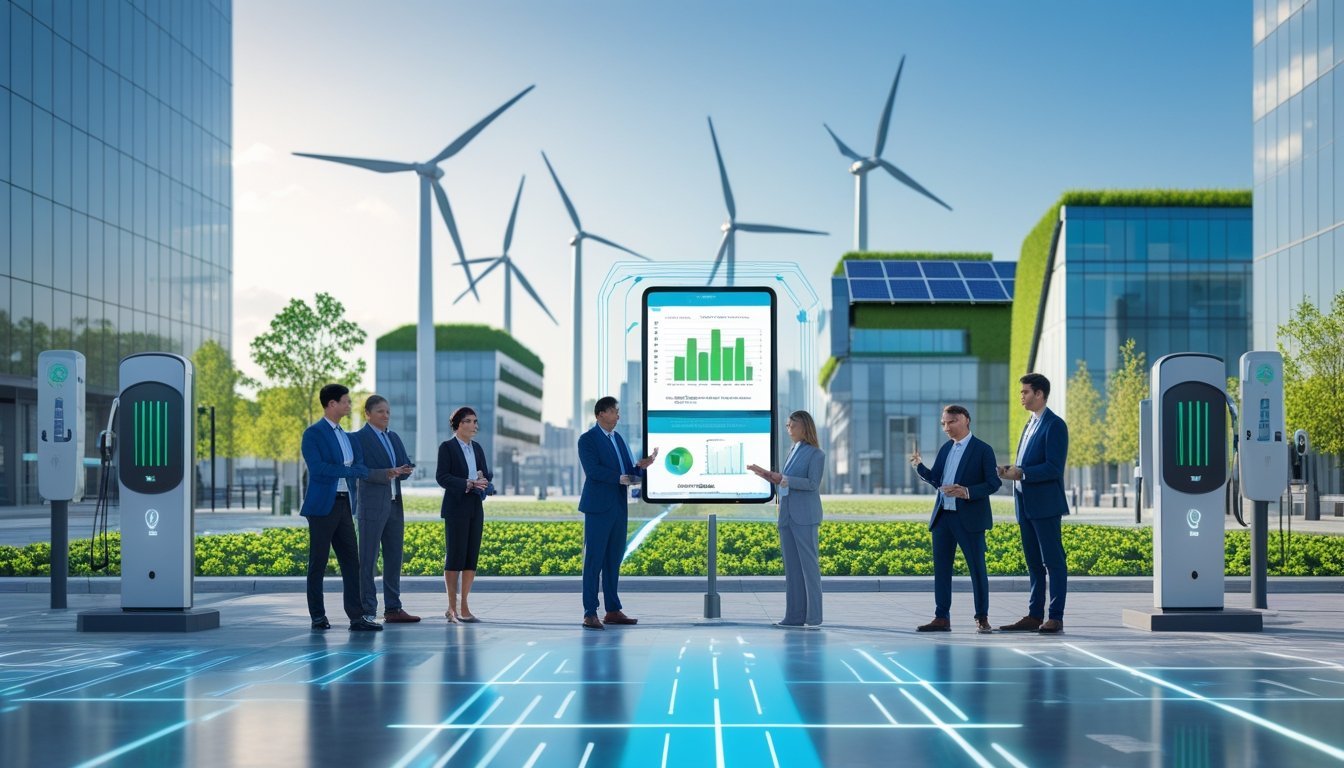
AI technology is revolutionising urban energy policy and infrastructure by integrating smart systems and aiding in the decarbonisation efforts. The incorporation of AI is pivotal to enhancing smart city infrastructures while ensuring a significant reduction in carbon emissions.
Smart City Infrastructure and Urban Integration
AI plays a vital role in shaping the infrastructure of smart cities by enabling advanced urban integration. Our cities utilise intelligent systems like smart grids that facilitate real-time data collection and management. This streamlines energy distribution and optimises resource usage. AI-driven innovations support infrastructure that can adapt to the changing energy demands through predictive analytics and machine learning.
Urban planners leverage AI to create interconnected systems, including smart heating and cooling solutions that enhance energy efficiency. Through IoT devices, cities can monitor and control energy consumption, contributing to reduced operational costs and improved sustainability. The integration of electric vehicles into the grid further supports this ecosystem by balancing energy demands and decentralising power supply.
Decarbonisation and Reducing Carbon Emissions
Decarbonisation is a core focus of our energy policy transformation, with AI being a crucial driver in reducing carbon emissions. AI systems can analyse vast datasets to identify inefficiencies and propose optimised strategies for energy consumption. These systems guide us in transitioning from fossil fuels to renewable energy sources, positioning us as a clean energy superpower.
AI also assists in forecasting energy demands and optimising renewable energy integration, leading to decreased reliance on carbon-intensive power generation. By deploying intelligent algorithms across energy infrastructure, we can efficiently predict and mitigate emissions. Thus, AI not only supports contemporary energy policy initiatives but also spearheads the efforts in achieving national and global decarbonisation goals.
Frequently Asked Questions
We explore the impact of artificial intelligence on energy efficiency in British urban environments. We also examine various technologies and their roles in achieving sustainability goals while addressing challenges and opportunities.
How can artificial intelligence reduce energy consumption in urban environments?
AI can optimise energy use by analysing real-time data to identify inefficiencies. For example, smart algorithms can adjust energy distribution across grids to ensure minimal wastage. AI technologies also enhance predictive maintenance for energy infrastructure, reducing downtime and conserving resources.
What are the leading AI technologies being implemented for energy efficiency in British cities?
Several AI technologies are making strides in British cities, including deep reinforcement learning and real-time data analytics. These technologies optimise everything from delivery routes, minimising congestion and pollution, to managing electric vehicle fleets. They enable efficient urban planning and infrastructure management.
In what ways is AI contributing to the sustainability goals of the UK's urban centres?
AI supports sustainability by integrating renewable energy sources more effectively into urban energy systems. It allows for dynamic responses to energy demand and tariff structures, thus maximising the use of cleaner energy options. It also plays a key role in community-driven energy projects that engage local populations in sustainability efforts.
What is the role of smart grids in enhancing energy efficiency, and how is AI integrated with them?
Smart grids form a critical component of urban energy efficiency, enabling real-time monitoring and management of energy supply and consumption. When integrated with AI, these grids become even more effective, leveraging predictive analytics to minimise waste and efficiently balance load demands.
How does AI aid in predicting and managing energy demand in metropolitan areas?
AI uses machine learning algorithms to analyse patterns in historical data, enabling accurate predictions of energy demand. This predictive capability allows city planners to anticipate peak usage times and manage resources more effectively, ensuring a stable energy supply and optimising load distribution.
What are the challenges and opportunities associated with the deployment of AI-driven energy solutions in the UK's urban settings?
Deploying AI-driven solutions presents challenges like initial high costs and the need for regulatory support. However, the potential opportunities include significant long-term cost reductions and enhanced energy efficiency. Policymakers and stakeholders must collaborate to establish frameworks that facilitate AI adoption in urban energy systems.