
Late updated: 08 Dec 2025 14:12
Written by: Oliver Bennett
Eco-Friendly Landscaping Techniques For UK Gardens: A Guide To Sustainable Practices
Exploring eco-friendly landscaping techniques can enhance the beauty and sustainability of our gardens while aligning with environmental goals. As climate change continues to impact our daily lives, adopting sustainable practices becomes essential. Utilising native plants that are adapted to local conditions is a key strategy for creating visually appealing and environmentally responsible gardens. These plants require less water and care, making them perfect for those looking to reduce their ecological footprint.
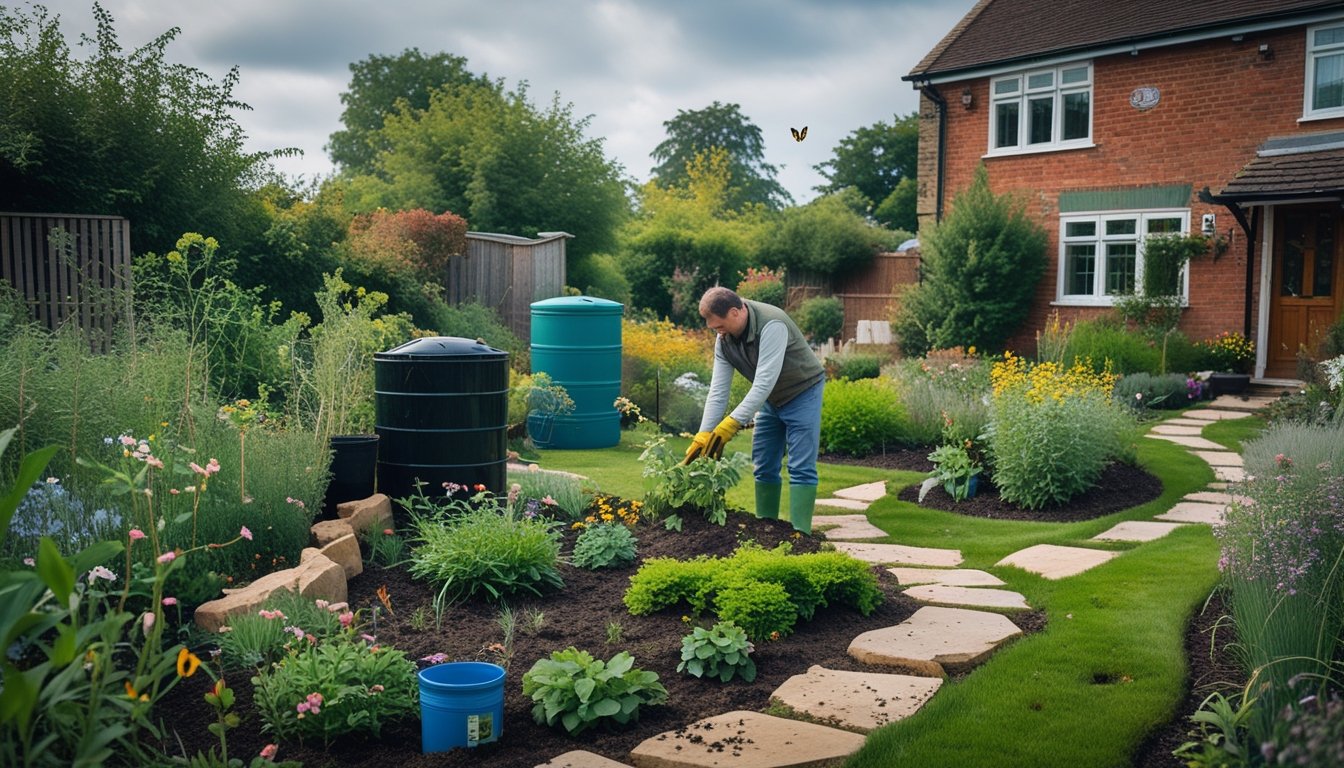
Encouraging biodiversity plays a crucial role in eco-friendly landscaping. By creating habitats for local wildlife, we not only support the environment but also enrich our garden experience. Incorporating water conservation methods, such as rainwater harvesting and efficient irrigation, further ensures that our gardens flourish without straining resources.
Key Takeaways
- Native plants reduce garden maintenance and water usage.
- Supporting biodiversity enriches the garden and environment.
- Water conservation optimises garden sustainability.
Core Eco-Friendly Landscaping Methods for UK Gardens
Creating a sustainable garden in the UK involves practices that enhance biodiversity, support wildlife, and maintain soil health. By focusing on native plant species, pollinator-friendly environments, and smart soil techniques, we can design vibrant and eco-friendly spaces.
Planting Native Species for British Biodiversity
To embrace eco-friendly landscaping, integrating native plant species is essential. Native plants are adapted to local climates and soil, meaning they require less water and maintenance. Plants like foxgloves and bluebells not only thrive naturally but also support local ecosystems.
By using indigenous flora, we enhance local biodiversity. Native species serve as a food source for native birds and insects, creating a self-sustaining environment. They are less susceptible to pests and diseases, reducing the need for chemical interventions. Thus, incorporating native plants is a practical step toward cultivating a resilient and thriving garden.
Supporting Pollinators and Wildlife Habitats
Pollinators such as bees, butterflies, and birds are vital for the health of our gardens. To boost their populations, we can plant a variety of flowering plants and herbs. Herbs like lavender and rosemary provide rich nectar sources, attracting beneficial insects.
Creating wildlife habitats like birdhouses or insect hotels further supports biodiversity. Consider planting hedgerows with native shrubs to offer shelter and food for various species. Incorporating water features, such as bird baths, can attract additional wildlife. Our efforts to nurture these ecosystems ensure a balanced and dynamic garden landscape where all creatures can flourish.
Soil Health, Mulching, and Composting Techniques
Maintaining soil health is crucial for any sustainable garden. Mulching is a beneficial practice that conserves moisture, suppresses weeds, and gradually improves soil fertility. Organic mulches such as straw, bark, or grass clippings decompose and enrich the soil.
Composting is another valuable technique. By recycling kitchen waste and garden debris, we produce nutrient-rich compost that acts as a natural fertiliser. This process reduces waste and enhances soil structure, promoting robust plant growth. Together, mulching and composting form a foundation for sustainable gardening, fostering healthier plants and ecosystems.
Water Conservation and Sustainable Materials in Garden Design
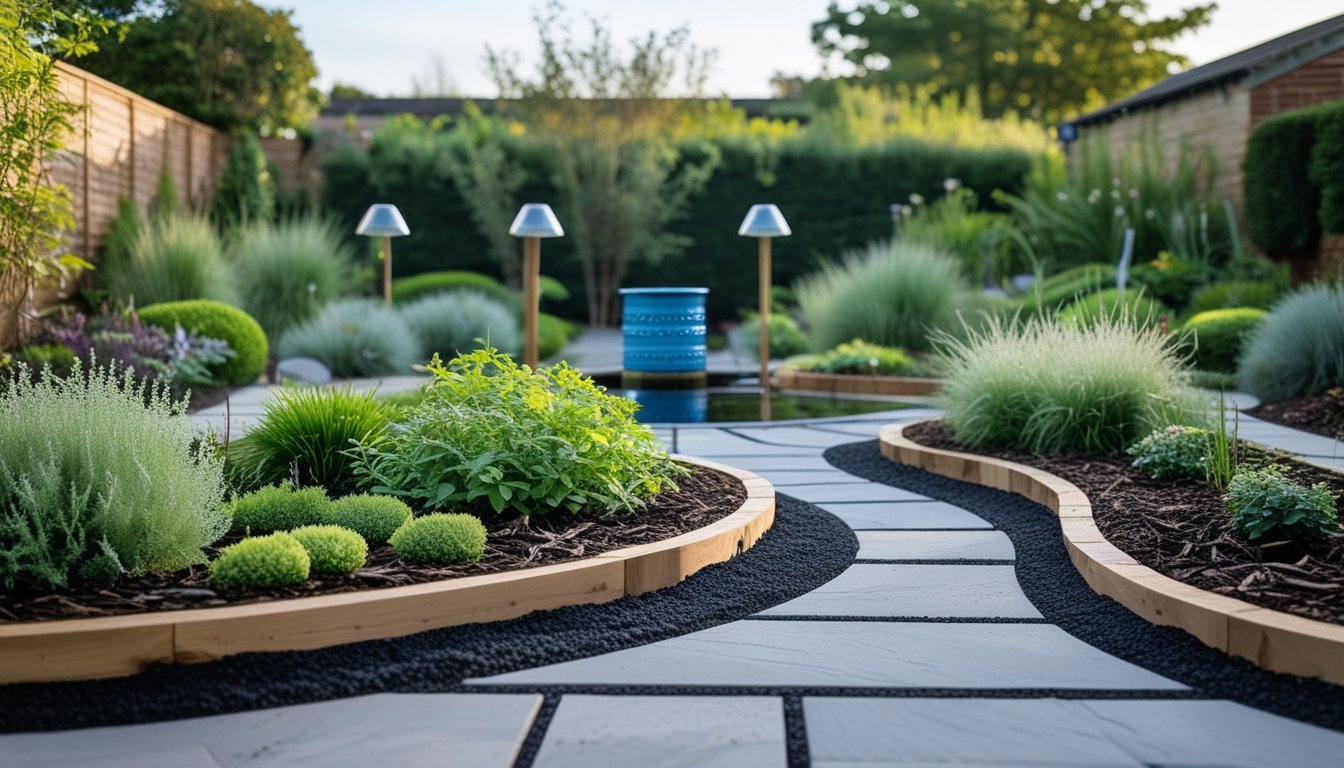
Maximising water efficiency and using sustainable materials are vital components of eco-friendly garden design. By integrating rainwater harvesting systems, choosing permeable paving options, and selecting drought-resistant plants, we can create gardens that are not only beautiful but also beneficial to the environment. Incorporating wildlife-friendly features like meadows and ponds further enhances biodiversity in our outdoor spaces.
Rainwater Harvesting and Water-Smart Solutions
Rainwater harvesting plays a crucial role in sustainable garden design by capturing and storing rainwater for use during dry periods. We can install rain barrels or cisterns to collect water from roofs, which can then be used for irrigation, reducing the need to tap into mains water supply. This not only conserves water but also helps in managing stormwater runoff, mitigating erosion.
Water-smart solutions such as drip irrigation systems ensure precise water delivery directly to plant roots, minimising evaporation and improving efficiency. Incorporating moisture sensors assists in monitoring soil moisture levels, allowing us to water plants only when necessary, thus conserving water further. Implementing these practices provides significant savings in water consumption while supporting a lush and healthy garden.
Implementing Permeable Hardscaping and Paving
Incorporating permeable hardscaping elements such as porous concrete, permeable pavers, and gravel reduces surface runoff by allowing water to percolate through the material and into the ground. This approach not only aids in groundwater recharge but also reduces the risk of flooding.
Using reclaimed wood and recycled materials for decking and pathways contributes to reducing the carbon footprint of garden structures. The aesthetics of these materials add a rustic charm while being kind to the environment. Such sustainable landscaping choices ensure that our gardens are both functional and eco-friendly.
Drought-Resistant and Low-Maintenance Plant Choices
Selecting drought-resistant plants is essential for reducing water usage in gardens, especially important given the increasing frequency of drought conditions due to climate change. Xeriscaping, a landscaping method using plants that require minimal irrigation, incorporates natives that are well-adapted to local conditions, thereby enhancing their growth and resilience.
By choosing plants with lower water requirements, such as lavender, sedum, and ornamental grasses, we can create vibrant garden landscapes that thrive with less maintenance. Integrating mulch also helps retain soil moisture and suppress weeds, further lowering the garden's water and maintenance needs.
Wildlife-Friendly Features: Meadows, Ponds, and Wetlands
Creating wildlife-friendly features in our gardens enriches biodiversity and fosters the local ecosystem. Establishing meadows with native wildflowers attracts pollinators like bees and butterflies, contributing to a balanced environment. Ponds and wetlands enhance garden diversity, providing habitats for amphibians and birds.
These features encourage natural pest control, with insect hotels and bird feeders attracting beneficial species that help manage garden pests. Supporting these eco-friendly practices reduces the need for chemical interventions, thus promoting a healthy, sustainable garden environment. The inclusion of such features ensures our gardens contribute positively to nature conservation efforts.
Frequently Asked Questions
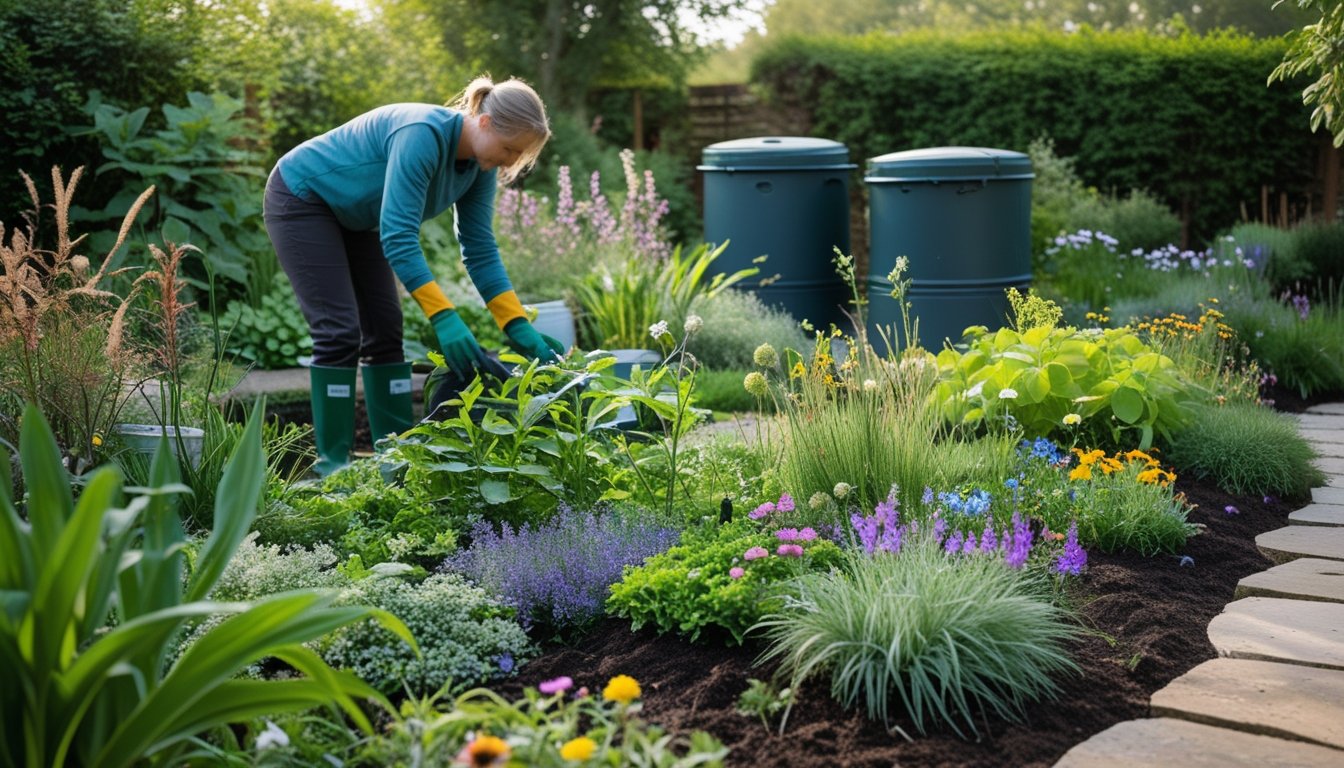
In UK gardens, we can apply various eco-friendly landscaping techniques. From selecting native plants suited to the local climate to implementing methods that conserve water and promote biodiversity, these approaches contribute to creating sustainable garden spaces.
What are the best native plants to include in a sustainable garden in the UK?
Native plants are essential for sustainable gardening in the UK because they thrive in local conditions, require less maintenance, and support biodiversity. Some excellent choices include bluebells, foxgloves, and primroses, which not only blend harmoniously with the landscape but also attract local wildlife.
How can I reduce water usage in my UK garden while maintaining plant health?
To reduce water usage, we can implement strategies such as rainwater harvesting and use drip irrigation, which targets water directly to the root zones of plants. Additionally, applying mulch can help retain soil moisture, keeping plants healthy with less water.
What methods can be employed to encourage wildlife into an environmentally friendly UK garden?
Creating habitats and food sources for wildlife is key. By planting a variety of native shrubs and flowers, providing water features, and installing birdhouses or bug hotels, we can invite a diverse range of creatures into our gardens to help maintain ecological balance.
Which types of composting systems are most effective for British gardens?
There are several efficient composting methods we can consider, like traditional compost bins, wormeries, and Bokashi systems. Each method has its benefits, but all help recycle garden waste and enrich the soil naturally, supporting healthy plant growth.
How can I create a garden in the UK that supports pollinators like bees and butterflies?
To support pollinators, it’s important to include a variety of flowering plants that provide nectar throughout the seasons. Lavender, borage, and honeysuckle are excellent plants to attract bees and butterflies, creating a vibrant garden buzzing with life.
What are the most suitable eco-friendly materials for constructing garden paths and patios in the UK?
For a sustainable approach, we should consider materials like reclaimed bricks, locally sourced stones, or permeable paving options. These choices reduce environmental impact and allow rainwater to naturally soak into the ground, preventing runoff and erosion.