
Late updated: 21 Dec 2025 15:12
Written by: Oliver Bennett
Effective Rural Energy Conservation Strategies: Key Approaches for Sustainable Development
In the rural landscapes where connection to reliable energy sources can be limited, energy conservation becomes not just an option but a necessity. Implementing effective rural energy conservation strategies not only helps in reducing costs but also plays a significant role in ensuring environmental sustainability. Our focus is on exploring innovative, practical measures that can transform energy efficiency in rural homes and communities. These include leveraging approaches like xeriscaping, adopting renewable energy sources, and improving insulation techniques tailored for off-grid living.
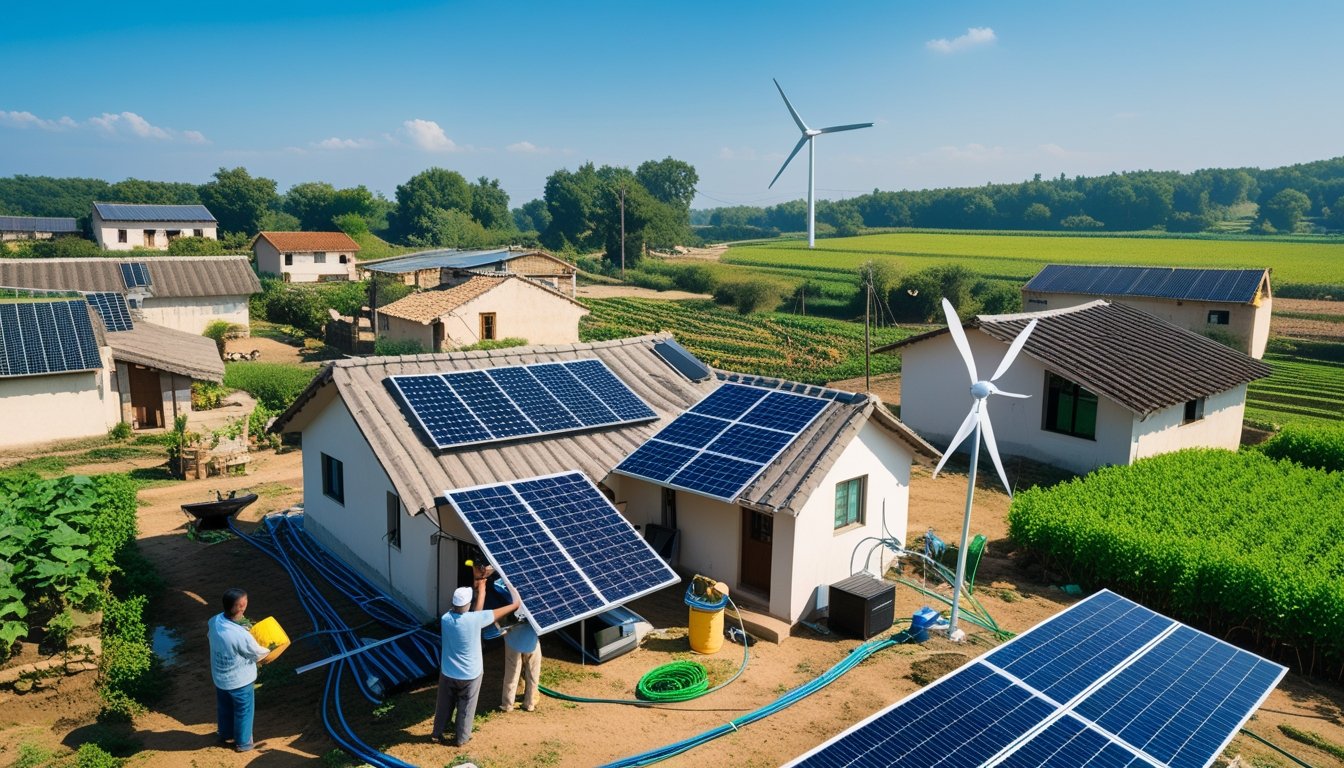
Rural settings often present unique challenges, such as dependency on heating oil and limited access to efficient energy infrastructure. We need to address these with a strategic approach that includes enhancing home energy efficiency, which can significantly mitigate high energy expenses and environmental impact. Integrating renewable energy solutions and offering financial assistance can further empower rural inhabitants towards self-sufficiency.
Exploring these solutions and their implementation can make a substantial difference in the quality of life for those in rural areas. By focusing on long-term sustainability, we can not only elevate energy efficiency but also support local economies and bolster community resilience against climate-based challenges.
Key Takeaways
- Rural energy conservation can lower costs and support sustainability.
- Integrating efficient practices addresses unique rural challenges.
- Solutions enhance life quality and community resilience.
Core Energy Conservation Strategies for Rural Areas
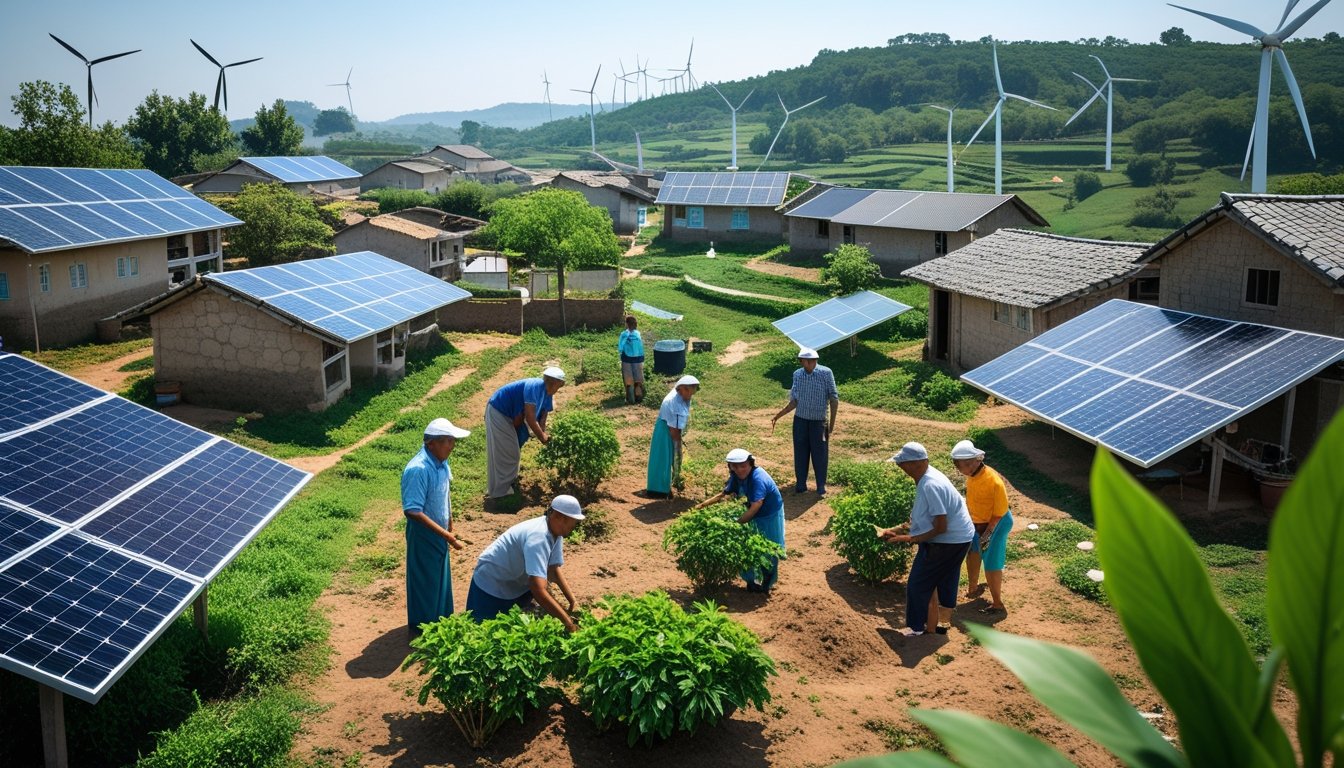
In rural areas, energy conservation can significantly reduce utility bills and decrease environmental impact. A focus on efficient use of energy in heating and cooling, weatherisation, and the adoption of energy-efficient appliances can lead to substantial benefits for rural communities.
Understanding Rural Energy Consumption Patterns
Understanding how energy is consumed in rural households is essential. These homes often rely on a mix of power sources, including heating oil and electricity, to meet their needs. The lack of natural gas infrastructure means higher costs and dependency on alternative fuels. To tackle this, we recommend home energy audits to identify specific consumption patterns. By assessing the energy usage, households can pinpoint phantom energy wastage from devices left on standby, such as televisions and chargers. Implementing smart power strips helps cut down on this unnecessary consumption. As heating and cooling are significant expenses, real-time monitoring through smart meters ensures more informed energy choices, directly impacting energy savings.
Optimising Heating and Cooling Efficiency
Efficient management of heating and cooling systems reduces both energy consumption and costs. In rural homes, typically larger but less optimised for energy efficiency, using programmable or smart thermostats can maintain optimal indoor temperature while conserving energy. The installation of energy-efficient HVAC systems can further enhance performance. Regular maintenance is critical – changing air filters and cleaning ducts ensure systems run efficiently. Incorporating natural ventilation and passive solar design can complement existing systems by making use of natural breezes and sunlight. For homes using oil-based heating, reviewing and upgrading the heating systems reduces fuel use and costs, easing the burden on family budgets.
Enhancing Insulation and Weatherisation
Improving insulation in rural homes is key to reducing energy loss. Inadequate insulation leads to significant heat transfer during both winter and summer. By implementing weatherisation techniques such as weatherstripping and using caulk around doors and windows, we can limit air leaks. For those affected by harsh climates, our priority should be energy-efficient windows, like double-glazed windows, which improve thermal resistance. This attention to detail ensures energy demand is managed better, keeping energy bills in check. Rural residents benefit from state support, such as the U.S. Department of Energy's assistance programmes, helping to cover costs for improving insulation in older homes.
Adopting Energy-Efficient Appliances and Lighting
Switching to energy-efficient appliances and lighting is a straightforward way to conserve energy. Appliances consume a lot of power, so replacing older models with those bearing the Energy Star label can make a noticeable difference. Refrigerators and washing machines are significant energy users in rural homes, and upgrading to modern energy-efficient models provides a reduction in energy expenses. Lighting can be improved with LED bulbs, known for their longevity and efficiency. Further energy savings are achievable through smart lighting solutions, allowing control over usage patterns. Encouraging the community to embrace these changes fosters sustained energy conservation efforts, benefiting everyone.
Integrating Renewable Energy and Sustainable Solutions
Integrating renewable energy and sustainable practices in rural areas focuses on deploying a mix of resources such as solar, wind, and biomass, alongside effective water management techniques. These approaches not only aim for energy independence but also contribute significantly to environmental sustainability.
Implementing Solar, Wind, and Biomass Systems
Solar panels are a cornerstone in our quest for clean energy. By harnessing solar power, rural communities can achieve energy independence, reducing reliance on conventional energy sources. Integrating solar batteries improves energy security, providing a reliable supply even at night or during cloudy days.
Wind turbines also play a crucial role in rural energy solutions. Located strategically to capture optimal wind flows, they utilise renewable energy sources to generate electricity, reducing the carbon footprint significantly.
Biomass energy contributes to a sustainable lifestyle by converting organic materials into energy. This approach not only handles waste efficiently but creates energy resources that are clean and renewable. By implementing these systems, rural areas can significantly reduce greenhouse gas emissions and promote a sustainable environment.
Landscaping and Water Conservation Techniques
Effective landscaping can enhance sustainable living in rural areas. Xeriscaping, for instance, involves using drought-resistant and native plants, which require minimal watering. This technique promotes environmental sustainability as it reduces water usage.
Water conservation efforts, such as installing low-flow fixtures and employing rain barrels, are key to efficient water management. Rainwater harvesting systems, including cisterns, can collect and store excess rainwater, making it available during dry spells.
In addition, practices like efficient irrigation reduce unnecessary water loss, supporting a self-sufficient community. By incorporating these water conservation strategies, we contribute to a decline in overall water consumption, effectively addressing the challenges posed by climate change and global warming.
Frequently Asked Questions
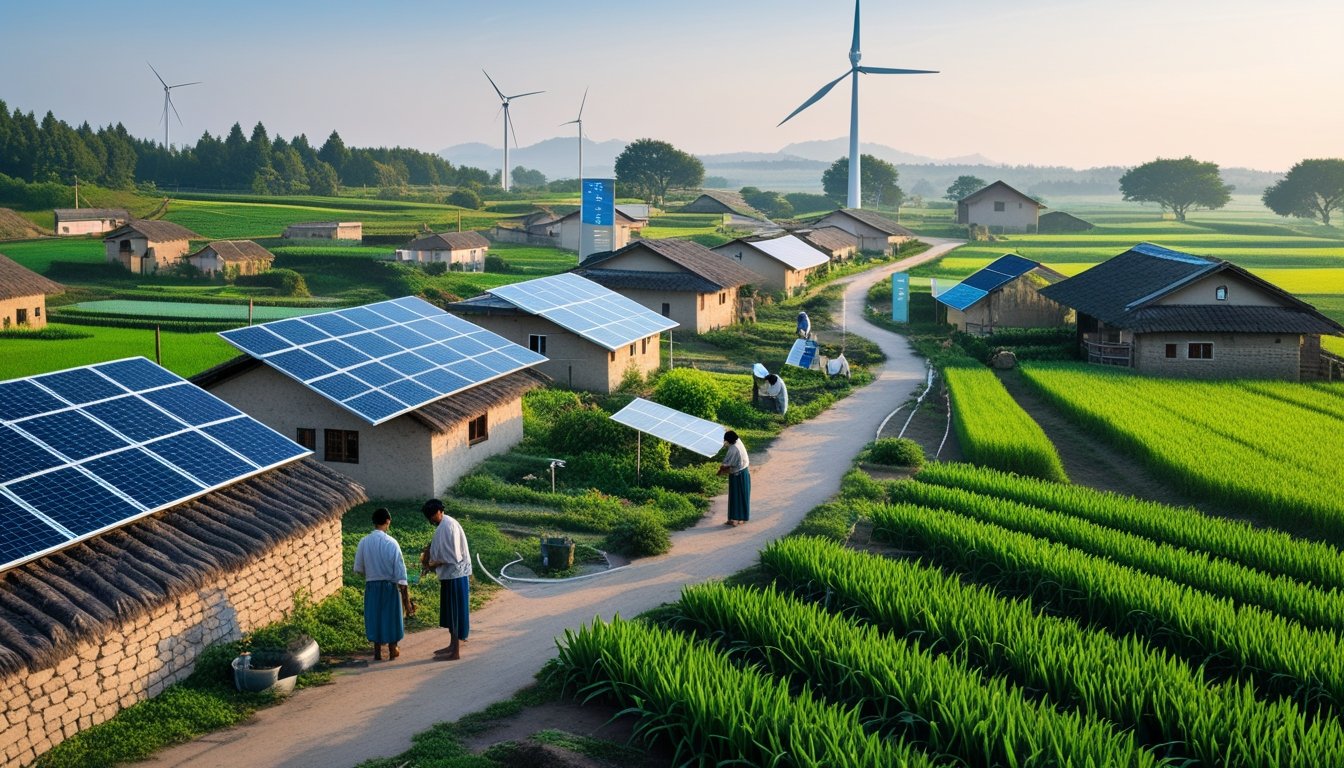
In addressing rural energy conservation, successful strategies involve reducing consumption through behavioural changes and integrating renewable energy sources. Government policies influence these efforts significantly, yet challenges remain in implementation and engagement.
What are the most successful approaches for reducing energy consumption in rural areas?
In rural regions, adopting energy-efficient technologies like LED lighting and advanced insulation can greatly decrease energy use. Engaging in community-based energy conservation programmes encourages residents to adopt efficient appliances and modify energy habits. Such efforts often result in substantial savings and improved local sustainability.
How can renewable energy sources be integrated into rural energy schemes?
Renewable energy sources, such as solar and wind power, can be incorporated through small-scale projects tailored to local needs. Installing solar panels in communal spaces or wind turbines on farms not only generates clean energy but also reduces dependency on non-renewable resources. This integration is particularly effective when coupled with initiatives that provide financial incentives or subsidies.
What role does government policy play in promoting energy conservation in rural communities?
Government policies are crucial for fostering rural energy conservation. Programmes such as grants, tax incentives, and funding through acts like the Inflation Reduction Act provide necessary resources. These policies aim to support renewable energy projects and efficiency improvements, guiding communities towards sustainable energy practices.
What are the challenges associated with implementing energy efficiency measures in rural locations?
Rural areas often face unique challenges, such as limited access to technology and financial constraints. Infrastructure development can be delayed due to geographic and logistical issues. Additionally, persuading communities to adopt new practices requires continuous educational efforts and overcoming cultural resistance to change.
In what ways can local communities be engaged in energy conservation initiatives?
Engagement can be achieved through educational workshops and awareness campaigns highlighting the benefits of energy conservation. Forming local energy cooperatives encourages joint investment in renewable projects. By involving residents in decision-making processes, communities foster a shared commitment to sustainability.
What are the long-term impacts of energy conservation on rural economic development?
Energy conservation positively affects rural economic development by reducing overall energy costs, allowing more funds to be allocated to other local needs. This can stimulate job creation in areas such as installation and maintenance of new technologies. Over time, improved energy practices contribute to enhanced quality of life and a stronger, more resilient rural economy.