
Late updated: 19 Dec 2025 13:12
Written by: Oliver Bennett
Innovative Digital Payment Tools For UK Rural Businesses: Enhancing Accessibility
In today's rapidly evolving digital landscape, UK rural businesses are increasingly seeking ways to modernise their operations. Digital payment tools are at the forefront of this transformation, offering opportunities for these businesses to expand their customer base and streamline transactions. Digital payment innovations are empowering rural entrepreneurs by simplifying transactions and ensuring financial inclusivity.
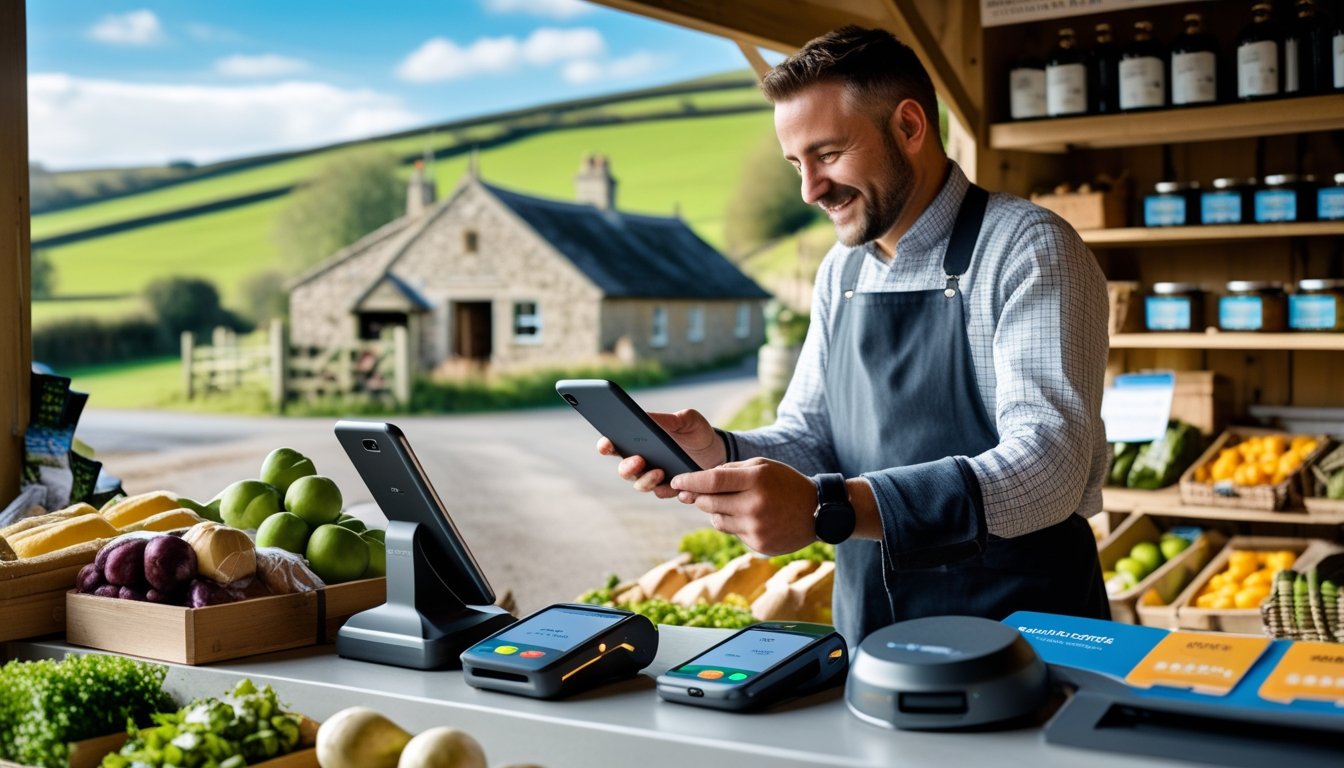
The shift towards digital payments isn't just a trend; it's an essential adaptation for rural enterprises aiming to stay competitive. With the advent of tools like digital wallets, online invoicing platforms, and mobile payment solutions, rural businesses can now efficiently manage transactions, even with limited infrastructure. These technologies not only facilitate smoother operations but also open up access to a broader market without geographical constraints.
At the heart of this digital revolution is an emphasis on security and trust. As businesses adopt these innovative tools, they can be assured that robust security measures are in place to protect their operations and customer data. This confidence paves the way for growth and strengthens the economic fabric of rural communities.
Key Takeaways
- Digital payment tools enhance financial inclusivity for rural businesses.
- Key technologies include digital wallets and online invoicing platforms.
- Security measures ensure trust and protect data in digital transactions.
Innovative Digital Payment Tools Empowering UK Rural Businesses
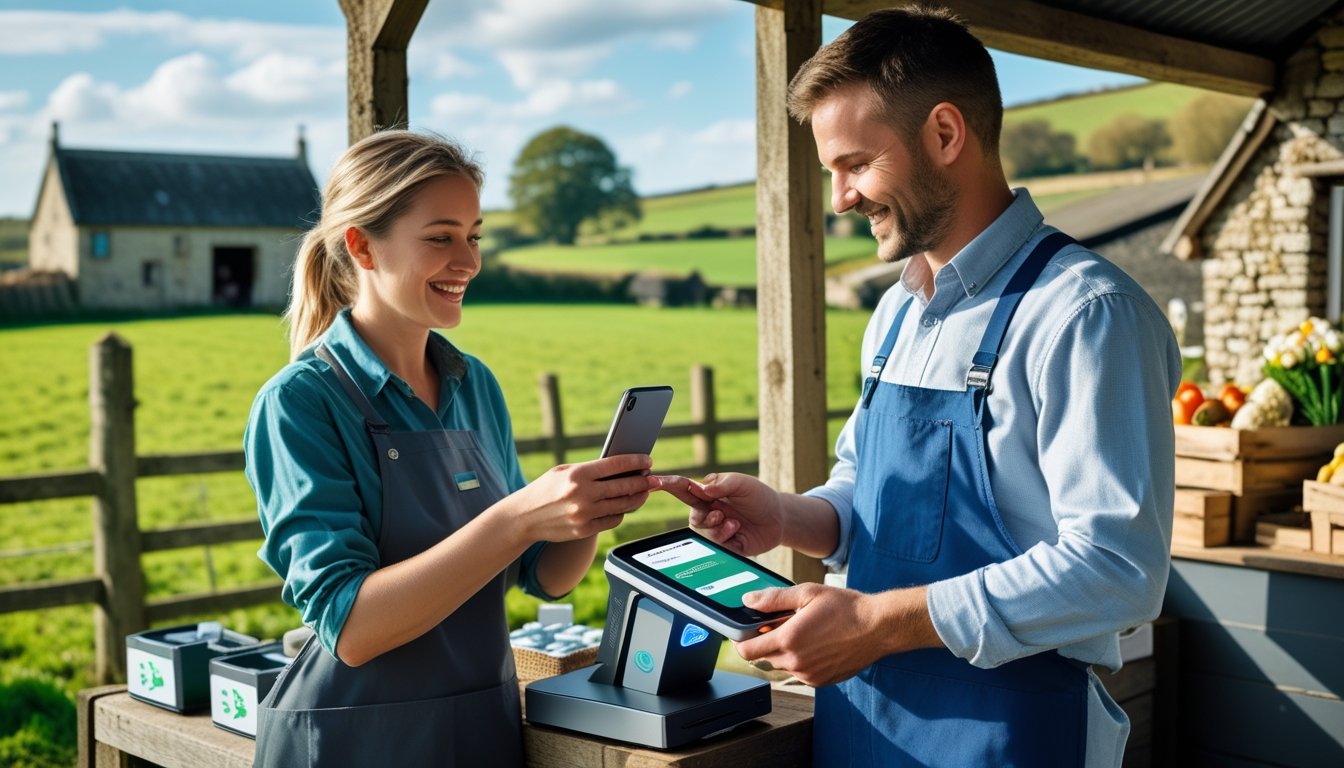
As digital payment technologies advance, rural businesses in the UK are increasingly adopting these tools to streamline operations and enhance customer interactions. These innovations foster greater financial inclusion and provide new opportunities for small and medium-sized enterprises (SMEs) in less urbanised areas.
Tap to Phone Technology and Contactless Solutions
Tap to Phone technology is transforming the way rural businesses manage transactions, offering them an easy and cost-effective method for handling payments. By using NFC-enabled smartphones, merchants can accept contactless payments directly without needing traditional point-of-sale (POS) hardware. This is particularly advantageous for microsellers and small businesses that operate in remote areas.
Contactless solutions like these enhance convenience both for the retailer and the customer. Companies such as Mastercard and Visa are at the forefront, ensuring secure and efficient processing. With the increased adoption of contactless payments, rural businesses can reduce queues and improve service delivery, offering their customers a seamless and fast checkout experience.
Digital Wallets and Mobile Checkout Innovations
Digital wallets such as Apple Pay and Samsung Galaxy devices' mobile checkout options are gaining traction among rural businesses. These tools allow customers to store Visa cards securely and use them effortlessly. The tap technology simplifies transactions, providing a "tap to add card" option that streamlines the entire payment process.
This shift towards mobile checkout innovations allows businesses to cater to tech-savvy consumers who prefer paying on-the-go. For small businesses, adopting digital wallets can improve their appeal to younger demographics and help in retaining customers looking for quick and secure payment methods. Moreover, implementing digital payment solutions can significantly reduce overhead costs associated with traditional payment processing.
The Role of Fintech and Financial Inclusion
Fintech is playing a crucial role in enhancing financial inclusion for rural areas in the UK. By offering tailored financial services, fintech companies help small businesses overcome geographical limitations. For instance, rural SMEs can now manage their finances more effectively using application programming interfaces (APIs) that offer authorisation rates and fraud reduction features through innovative platforms.
NatWest, among other banks, collaborates with fintech providers to introduce Buy Now, Pay Later (BNPL) solutions that attract more customers by offering flexible payment options. Fintech also provides rural communities with the tools necessary to compete with urban businesses, levelling the playing field and enabling economic growth. Such advancements bridge gaps and open new avenues for financial independence.
Seamless Customer and Merchant Experiences
A key benefit of embracing digital payment tools is the enhancement of both customer and merchant experiences in rural businesses. Tap to confirm, tap to send, and tap to transfer features allow for fast and accurate transactions, improving overall satisfaction. SMEs can use these capabilities to deliver an intuitive and frictionless interaction for customers, fostering loyalty and repeat business.
The combination of innovative payment methods creates a more engaging environment where both parties benefit from the ease and speed of digital transactions. As businesses continue to evolve with changing consumer expectations, the focus remains on creating seamless experiences that reduce barriers and encourage continuous patronage. This evolution in payment processing is critical for rural businesses striving to keep pace with technological advancements while maintaining a personal touch.
Building Digital Infrastructure and Ensuring Payment Security in Rural Areas
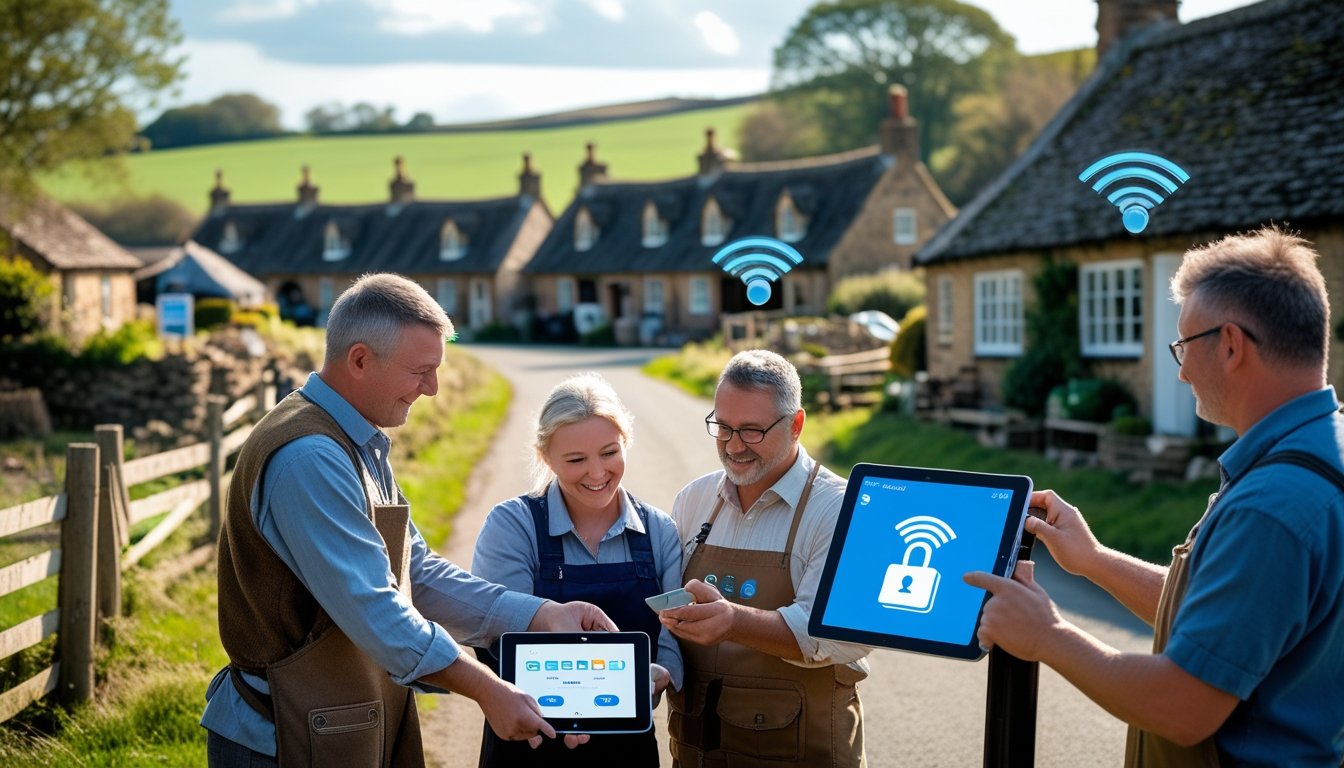
In the UK, enhancing digital infrastructure in rural areas is pivotal for optimising digital payment systems for businesses. Key considerations include strengthening internet access, implementing robust cybersecurity measures, and utilising advanced technologies like artificial intelligence.
Strengthening Digital Infrastructure and Internet Access
Improving digital infrastructure and ensuring reliable internet access in rural areas are foundational to digital transformation. The government and telecommunications sectors must collaborate to expand broadband coverage, often using satellite technology to reach remote locations. Additionally, strategic partnerships can be formed to support small and medium-sized enterprises (SMEs) in adopting digital tools. Special attention should be paid to the implementation of high-speed networks, which are crucial for seamless transactions. By providing incentives, such as tax benefits for companies investing in telecoms, authorities can encourage further development. This approach ensures that digital adoption is not constrained by geographical barriers, allowing businesses to thrive in an increasingly digital landscape.
Cybersecurity Measures and Fraud Prevention
Cybersecurity is a top priority in securing digital payments. Rural businesses must implement sophisticated fraud prevention systems to protect against financial crime. We can employ data analytics to monitor transactions for unusual patterns, promptly identifying potential breaches. Establishing cybersecurity protocols, such as regular software updates and multi-factor authentication, is critical. Engaging employees in cybersecurity training enhances awareness and responsiveness to threats. By collaborating with cybersecurity firms and regulatory agencies like the Digital Economy Act (DEA), we can further fortify digital payment systems. These measures ensure that businesses maintain trust and security, critical components for successful digital interactions.
Leveraging Artificial Intelligence, Cloud, and Biometrics
Artificial intelligence (AI) and cloud technology are revolutionising business operations, offering efficient solutions for payment processing and data management. AI can optimise digital payment systems by predicting customer behaviour and improving user experience, while cloud-based platforms provide scalable infrastructure, reducing the need for costly physical servers. Biometrics enhance security by adding an additional layer of identity verification through fingerprint or facial recognition. By integrating these technologies, businesses can streamline operations and improve payment reliability. Our expanded use of these tools not only enhances security but also sets the stage for innovations that support economic growth.
Reducing Operational Costs and Enabling Economic Growth
Digital payment tools can substantially reduce operational costs in rural areas, facilitating economic growth. By digitising payment processes, businesses cut down on manual paperwork and reduce errors, leading to cost savings. Automated systems, backed by AI and cloud computing, allow for real-time financial tracking and inventory management. This efficiency enables better resource allocation and decision-making. As businesses adopt these tools, they can also expand market reach beyond local boundaries. Ultimately, increased efficiency and the opening of new markets fuel economic development in rural settings, providing businesses with the opportunity to grow sustainably.
Frequently Asked Questions
In exploring innovative digital payment tools for rural businesses in the UK, we address their role in enhancing customer experience, cost-effective solutions, mobile payment suitability, adherence to security regulations, and impact on financial inclusivity. Additionally, we consider strategies to boost adoption in rural communities.
How can digital payment systems enhance customer experience in rural UK businesses?
Digital payment systems can significantly improve the customer experience by offering faster transactions and greater convenience. For rural businesses, integrating these tools can reduce waiting times, enhance service delivery, and cater to a growing demand for cashless payment options. With contactless and mobile payment methods, customers enjoy a seamless shopping journey that aligns with the modern retail environment.
What are the most cost-effective digital payment solutions for small enterprises in rural areas?
Cost-effective solutions often include mobile card readers and online payment platforms that require minimal upfront investment. Many service providers offer competitive transaction fees tailored to small enterprises. We recommend exploring options like Square and SumUp, which are known for their affordability and ease of use. These solutions empower businesses to offer versatile payment methods without a significant financial burden.
Which mobile payment services are best suited to the infrastructure in UK countryside?
The suitability of mobile payment services depends largely on network reliability and availability. Services such as PayPal Here, iZettle, and Stripe are popular due to their robust functionality in areas with stable internet connectivity. Businesses should assess local infrastructure to select services that ensure uninterrupted operations and satisfy customer demands for mobile payments.
How do digital payment tools adhere to the UK's rural business security regulations?
Digital payment tools are designed to comply with rigorous security standards to protect sensitive financial information. These tools often include features such as encryption and fraud detection, ensuring transactions are both secure and reliable. As businesses, it is crucial we stay informed about compliance requirements and partner with providers that adhere to these standards.
What is the impact of digital payments on the financial inclusivity of rural communities?
Digital payments extend financial services to underserved areas, fostering participation in the wider economy. For rural communities, these tools can bridge gaps in banking access, offering residents and businesses alike more opportunities to engage in commerce. This inclusivity drives economic development and enables equitable growth within these communities.
Which strategies can rural businesses in the UK employ to increase digital payment adoption?
To boost digital payment adoption, businesses can offer incentives, conduct customer education, and improve staff training. By showcasing the benefits and ease of digital payments, we can encourage customers to transition from cash to digital methods. Collaborating with local organisations to promote awareness and accessibility can further enhance adoption rates.