
Late updated: 12 Dec 2025 11:12
Written by: Oliver Bennett
Renewable Solutions For Sustainable UK Homes: Innovations And Benefits
In recent years, the demand for renewable energy solutions in the UK has surged as more homeowners recognise the importance of reducing their carbon footprint and cutting energy costs. Embracing green technologies not only contributes to a healthier environment but also presents financial benefits. Investing in renewable solutions ensures that homes are not only energy-efficient but also future-proof against rising utility bills.
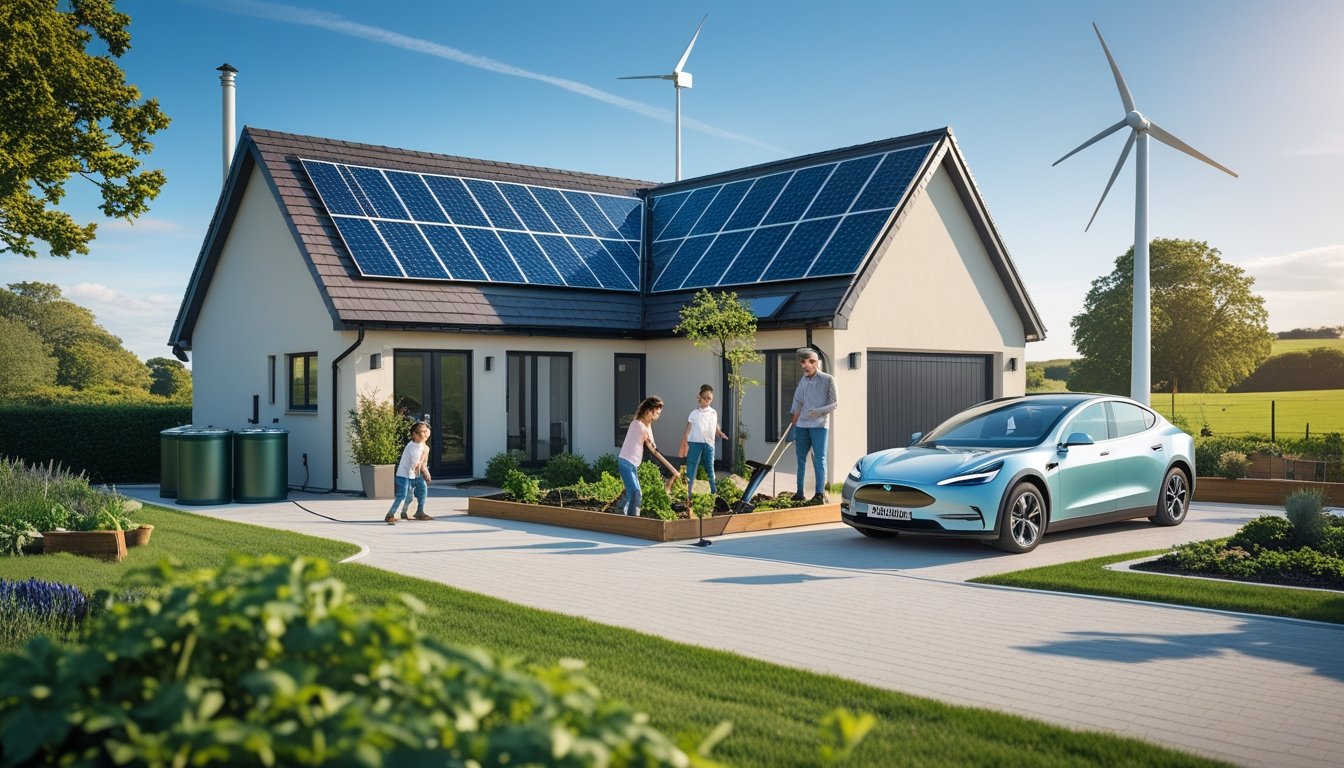
As the government continues to introduce incentives and support for adopting sustainable energy, the market for renewable solutions is expanding rapidly. From solar panels and wind turbines to advanced EV charging systems, these innovations offer practical ways to transform our homes into eco-friendly havens. The challenge lies in selecting the right combination of technologies to suit our unique needs and circumstances.
By exploring the most accessible and effective renewable energy options, we find ourselves at the forefront of an energy revolution. The transition to sustainable living is easier than ever, with numerous resources available to guide us through every step. For homeowners committed to reducing environmental impact while enjoying long-term savings, these solutions are not just viable—they are essential.
Key Takeaways
- Renewable energy solutions can significantly reduce energy costs.
- Government incentives support the adoption of sustainable technologies.
- Choosing the right solutions makes homes eco-friendly and efficient.
Core Renewable Solutions for Sustainable UK Homes
Our approach to sustainable housing revolves around integrating renewable energy solutions tailored to specific needs. By leveraging reliable energy sources like solar, wind, heat pumps, and biomass, UK homes can achieve a significant reduction in carbon emissions while also cutting energy costs.
Solar Panels and Solar Energy Systems
Solar panels have become a cornerstone of renewable energy systems in many UK homes. These panels convert sunlight directly into electricity, harnessing a free and abundant resource. The Smart Export Guarantee (SEG) allows homeowners to sell excess energy back to the grid, creating an additional incentive. Solar energy systems can significantly reduce reliance on traditional power sources, especially during sunny months. Installing solar panels might require an initial investment, but their long-term benefits include reduced electricity bills and diminished carbon footprints. The integration of battery storage solutions further enhances energy independence by storing power for use during non-daylight hours. This makes solar energy a versatile and practical choice for sustainable living.
Domestic Wind Turbines and Wind Power
Wind power, which uses domestic wind turbines, is a viable solution for homes in areas with suitable wind conditions. These turbines harness wind energy to generate electricity, providing a renewable energy source that can match or exceed community needs. The main consideration here is the location, as optimal wind speeds are crucial for efficiency. With advances in technology, smaller turbines suitable for homes are now more efficient and quieter. This makes them less intrusive and more appealing for residential areas. Those considering domestic wind turbines should assess local wind patterns and consult planning guidelines to maximise energy production and benefits. Wind turbines complement solar systems by providing energy during darker, windier months.
Heat Pumps: Air Source and Ground Source Options
Heat pumps offer a modern solution for heating by transferring heat from the environment into the home. Air source heat pumps (ASHPs) extract heat from the air outside, while ground source heat pumps (GSHPs) draw energy from the ground. Both systems can heat water for radiators, underfloor heating, and domestic hot water demands. ASHPs are easier and cheaper to install compared to GSHPs but are slightly less efficient. Conversely, GSHPs offer remarkable efficiency in maintaining consistent home temperatures throughout the year. Both reduce reliance on fossil fuels and can achieve significant energy savings when paired with sustainable insulation and building practices. These systems are ideal for those looking to upgrade heating systems environmentally.
Biomass Boilers and Alternative Renewable Sources
Biomass boilers represent a sustainable alternative, using organic materials such as wood pellets, chips, or logs to generate heat. They are a low-carbon choice since the biomass fuel used absorbs as much CO2 from the atmosphere during its growth as is released when burned. Despite requiring storage space for the biomass material, these boilers deliver efficient and environmentally friendly heating. Additionally, other alternative sources such as hydroelectric systems and geothermal energy can contribute to sustainable homes. Each approach requires an initial investment and careful consideration of local resources and property attributes for optimal implementation. By integrating these systems, we can diversify our renewable energy sources and enhance our commitment to sustainability.
Maximising Efficiency and Sustainability in UK Homes
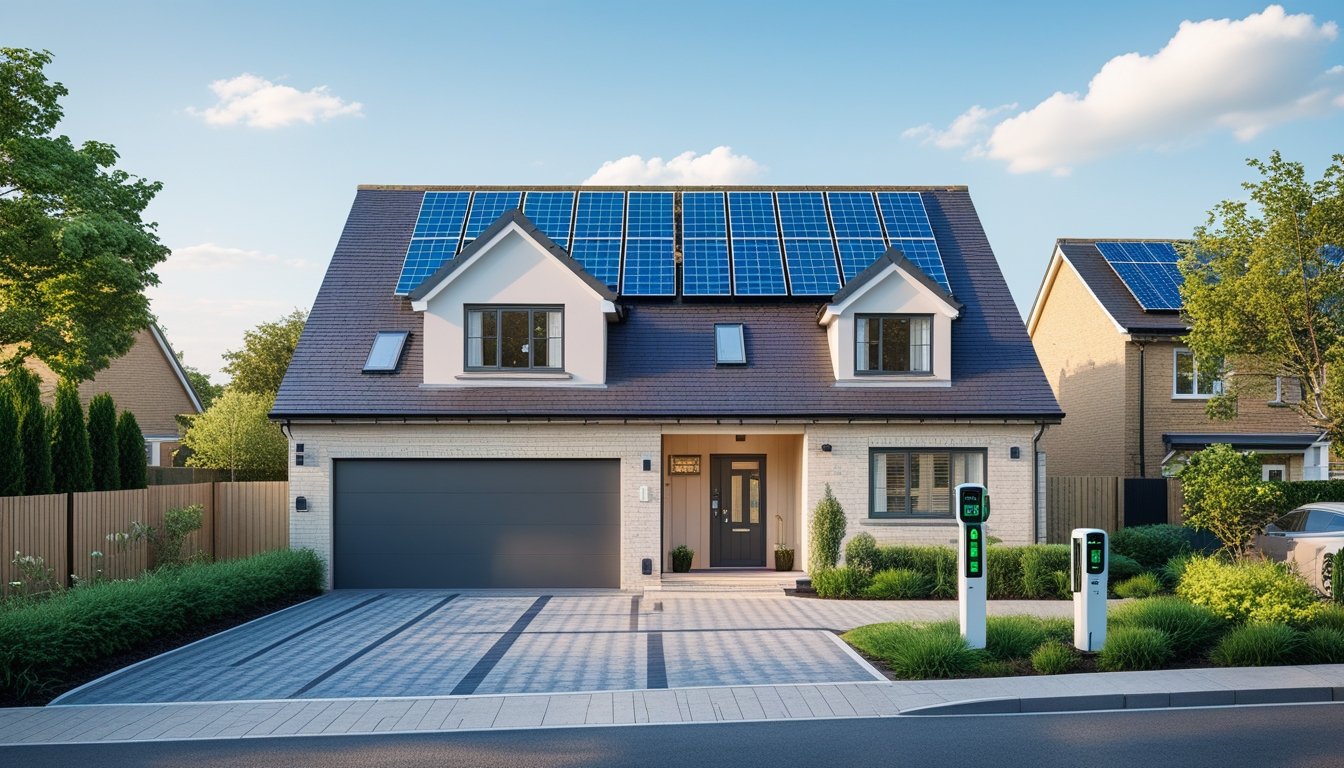
In our pursuit of creating greener UK homes, energy efficiency and sustainability play a central role. By improving thermal insulation, integrating smart technologies, and leveraging government incentives, we can make significant strides towards reducing carbon footprints while enhancing living comfort.
Enhancing Energy Efficiency and Thermal Insulation
Boosting home energy efficiency starts with optimal thermal insulation. Many UK homes are notorious for their older constructions, which often contribute to heat loss. Retrofitting properties with advanced insulation materials—such as triple-glazed windows and improved loft insulations—can drastically cut energy consumption. Installing these advancements can reduce heating costs and increase warmth retention during colder months. Furthermore, updating older boilers through government-backed initiatives like the Boiler Upgrade Scheme fosters energy efficiency.
Air sealing techniques also play a vital role. By addressing areas like door frames and attic hatches, we prevent unwanted drafts, ensuring a more energy-efficient household. These improvements help families create comfortable, warm environments while significantly lowering carbon emissions.
Smart Home Tech for Renewable Integration
Integrating smart home tech is pivotal for merging renewable energy sources into our daily lives. Devices like smart thermostats and automated lighting systems allow homeowners to monitor and adjust their energy usage in real-time, optimising resource consumption. AI-powered systems not only improve convenience but also maximise the efficiency of renewable installations, such as solar panels.
Energy management systems enable efficient power distribution throughout the home, harnessing stored energy from renewables to lower reliance on the grid. Zero-energy buildings—homes that generate as much energy as they consume—are becoming more achievable as technology advances. Adaptive control systems optimize energy use, creating sustainable yet practical homes for the future.
Government Incentives and Support Schemes
The UK government offers several incentives aimed at increasing home sustainability. Schemes aimed at upgrading home energy efficiency include grants for insulation improvements, subsidised renewable energy installations, and support for heating system enhancements. These initiatives are specifically tailored to facilitate homeowners, especially those in lower income brackets.
Tax incentives and grants can significantly reduce the upfront cost burden for homeowners seeking to adopt sustainable solutions. Energy suppliers often run parallel schemes funded through levies on energy bills. Such support makes it financially viable for widespread adoption of eco-friendly practices, further helping in the transition to a more sustainable and energy-efficient future.
Frequently Asked Questions
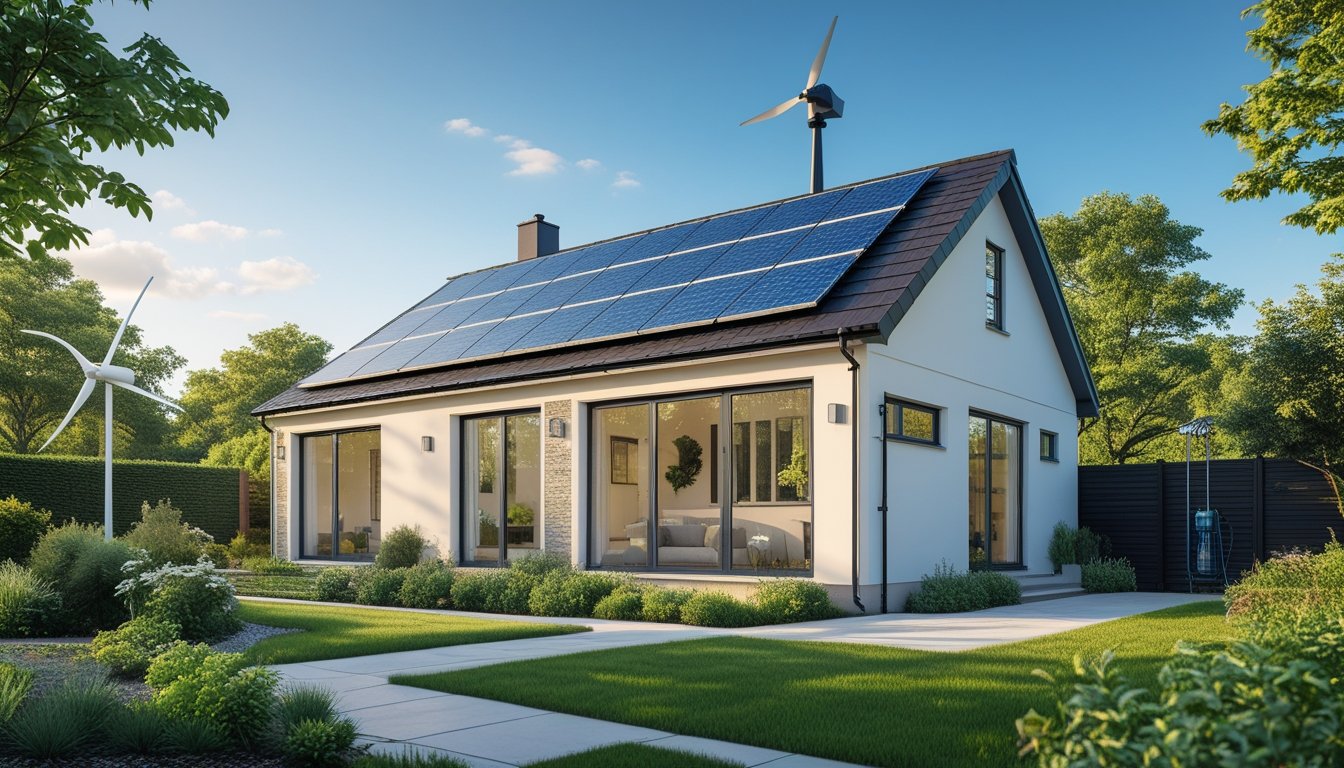
In exploring renewable energy solutions for UK homes, we've identified key areas of interest for homeowners. These aspects span cost-effective energy options, solar panel efficiency, government incentives, energy storage solutions, advancements in insulation, and the usage of heat pumps.
What are the most cost-effective renewable energy options for homeowners in the UK?
For UK homeowners, solar panels and wind turbines are often considered the most cost-effective renewable energy options. Solar panels can be installed even in regions with a fair amount of cloud cover, making them a practical choice for many areas across the UK. Additionally, small wind turbines can be a viable option for rural properties with enough space and windy conditions, contributing significantly to energy savings.
How do solar panels contribute to a sustainable household in the UK climate?
Solar panels convert sunlight into electricity, even on overcast days, which is crucial for the variable UK climate. By utilising this renewable resource, households can reduce their reliance on fossil fuels. Excess electricity generated can be stored or exported back to the grid, further enhancing energy sustainability.
What government incentives are currently available for installing renewable energy systems in UK homes?
The UK government offers several incentives to promote renewable energy adoption. Schemes such as the Green Homes Grant have provided financial support for home improvements, including renewable energy systems like heat pumps and solar panels. Energy suppliers also provide Smart Export Guarantees (SEG) for households exporting surplus electricity back into the grid.
How can UK homeowners store excess renewable energy for later use?
Battery storage systems are growing in popularity as a solution for storing excess renewable energy. These systems allow homeowners to store surplus electricity generated during the day for later use, providing power during peak demand times or at night. This capability enhances energy independence and efficiency.
What are the latest advancements in home insulation for energy conservation in the UK?
Recent advancements in home insulation focus on sustainable materials and techniques that improve energy efficiency. Materials such as sheep's wool, recycled cotton, and even aerogel are being used for better thermal insulation. Improved installation techniques also ensure minimal heat loss and are integral to lowering energy consumption.
How does the installation of heat pumps support the UK's sustainable housing goals?
Heat pumps are efficient systems that extract heat from the air or ground, even at low temperatures. They contribute significantly to reducing carbon emissions and energy consumption. Installing heat pumps aligns with the UK's goals of transitioning towards a more sustainable and low-carbon future, providing a reliable alternative to traditional heating methods.