
Late updated: 06 Dec 2025 09:12
Written by: Oliver Bennett
Sustainable Housing Innovations In Rural UK: Pioneering Eco-Friendly Solutions
Rural areas in the UK are witnessing a transformation through sustainable housing innovations that aim to achieve environmental stability and community resilience. In these regions, integrating renewable energy sources, sustainable materials, and efficient designs plays a pivotal role in reducing environmental impact and enhancing living standards. The push for eco-friendly homes aligns with global efforts to curb carbon emissions and offers a blueprint for future rural developments.
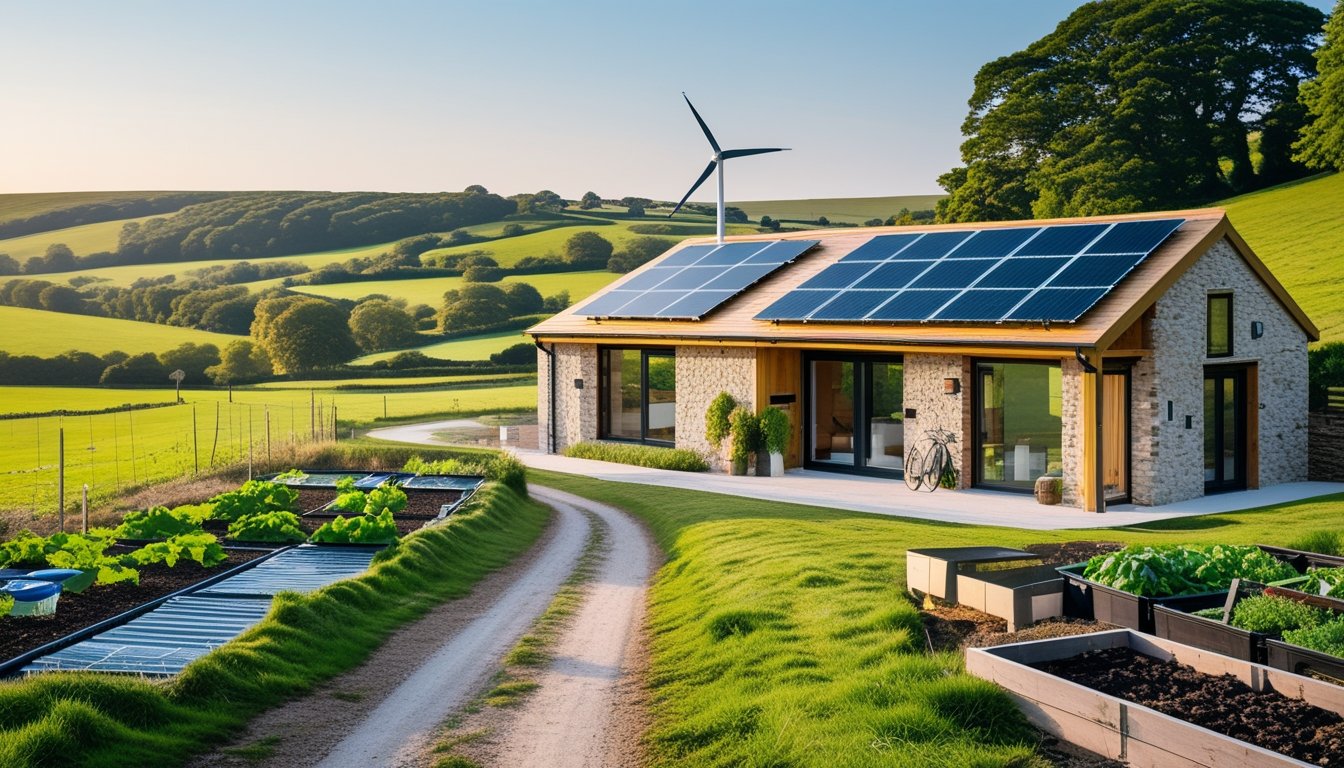
We see sustainable housing as not just an environmental initiative, but as an opportunity for economic and social renewal in rural communities. These innovations affect local economies by creating new jobs, promoting local businesses, and enhancing real estate value. Community engagement remains essential, ensuring that developments blend seamlessly with existing cultural and environmental aesthetics.
Our article delves into key strategies that redefine rural living, shedding light on the technologies and policies paving the way for a sustainable future. As we explore these themes, we aim to provide insights into how rural housing can respond to climate change challenges while fostering vibrant communities.
Key Takeaways
- Sustainable rural housing reduces environmental impact.
- Innovations support economic and social renewal in rural areas.
- Community engagement is vital for successful developments.
Fundamental Innovations in Sustainable Rural Housing
In the quest for sustainable rural housing, innovative approaches are transforming traditional building practices. By incorporating energy-efficient designs, locally sourced materials, and renewable energy solutions, we can significantly reduce environmental impact while ensuring durability and comfort. Key technological advancements are playing a crucial role in enhancing the sustainability of rural homes.
Energy Efficiency Techniques for Rural Homes
We focus on techniques such as passive solar design, which optimises the use of natural sunlight to heat interiors. The incorporation of high-performance glazing and strategic window placement reduces the need for artificial heating, lowering energy consumption. Additionally, smart home technologies, including energy management systems (EMS), enable residents to monitor and optimise their energy usage effectively. These systems adjust heating and cooling in response to real-time data, promoting energy efficiency.
Use of Sustainable and Local Materials
Utilising local materials not only reduces transportation emissions but also supports regional economies. Straw bale and timber, widely available in rural areas, provide excellent insulation properties while being highly sustainable. Reclaimed wood and recycled materials further contribute to reducing the carbon footprint of construction. By selecting these materials, we decrease environmental impact while maintaining the natural aesthetics of rural settings.
Integration of Renewable Energy Sources
Implementing renewable energy sources like solar panels and heat pumps enhances the energy independence of rural homes. Solar panels harness solar energy for electricity, while heat pumps efficiently manage heating and cooling needs by transferring heat between the earth or air and interiors. These technologies significantly lower reliance on fossil fuels, contributing to a decrease in carbon emissions. The integration of rainwater harvesting systems also conserves water, making homes more self-sufficient.
Advanced Insulation and Durability
Advanced insulation techniques are essential in creating durable, energy-efficient homes. Materials like sheep's wool or cellulose provide excellent insulation while being environmentally friendly. Using these materials ensures that homes remain comfortable throughout the year, regardless of external temperatures. Enhanced durability also comes from factoring in the longevity of building components, which reduces the need for frequent maintenance and replacements. By prioritising insulation and robust construction methods, we enhance the sustainability and resilience of rural housing.
Socio-Economic Impact and Community Approaches
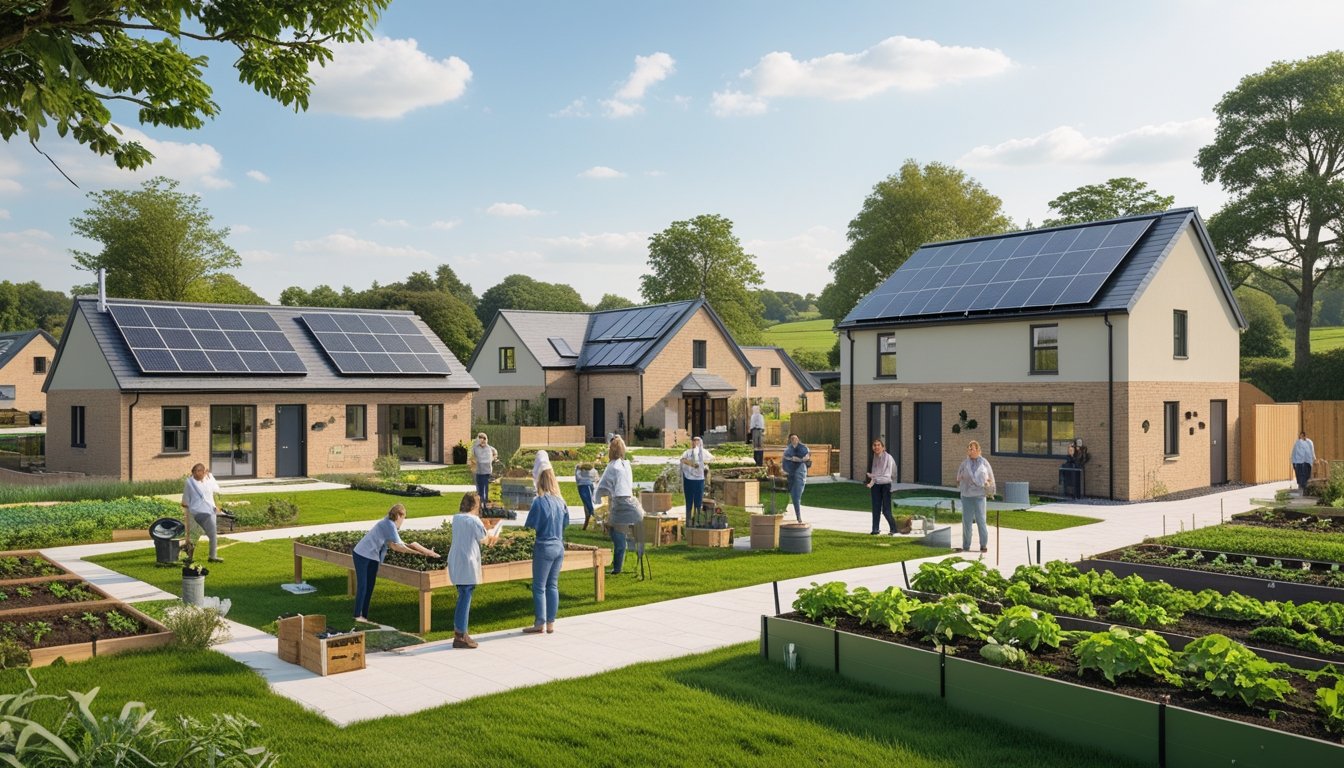
Sustainable housing innovations in rural UK have a profound impact on socio-economic factors and the development of rural communities. These innovations support affordability, community engagement, and sustainable transport solutions, fostering resilience and self-sufficiency among rural populations.
Affordability and Access to Affordable Homes
Affordability is a cornerstone of sustainable rural housing developments. By prioritising low-cost construction methods and utilising local materials, we can significantly reduce costs. The provision of affordable homes helps alleviate the pressing issue of rural homelessness, which has been escalating. Moreover, well-designed affordable housing not only provides shelter but also helps establish sustainable, inclusive communities. Innovative financing models such as community land trusts and shared ownership schemes enable local residents to become stakeholders in their housing solutions, promoting a sense of ownership and long-term financial stability within rural sectors.
Rural Development and Support for Rural Communities
Rural development initiatives are crucial for enhancing the quality of life in isolated areas. Integrated socio-economic policies encourage investment in infrastructure, such as renewable energy technologies and broadband connectivity, which are pivotal for rural growth. By supporting sustainable agriculture and local enterprises, we can stimulate job creation and ensure the viability of rural communities. An emphasis on sustainable development includes maintaining the traditional character of rural areas while fostering modernisation. Government support, in collaboration with organisations like the Country Land and Business Association (CLA), plays a vital role in driving these initiatives forward, positioning rural communities as pivotal in the green economy.
Participatory Design and Community Engagement
The participatory design process is fundamental in ensuring that housing developments meet the real needs of rural communities. By involving residents from the outset, we can tailor projects to fit local context, culture, and environmental conditions. This approach enhances community engagement and ensures that housing designs are not only practical but also culturally and environmentally sensitive. Building trust and fostering dialogue among stakeholders helps create developments that are more than just functional spaces; they become thriving community assets. Such engagement fosters social cohesion and resilience, allowing communities to adapt and thrive amid changing socio-economic landscapes.
Integration of Green Spaces and Sustainable Transport
Integrating green spaces and sustainable transport solutions is essential for encouraging healthy, vibrant rural life. Green spaces, such as parks and community gardens, provide vital recreational areas that enhance the quality of life and promote biodiversity. On the transport front, sustainable options like public transport and cycling paths reduce reliance on cars, lowering emissions and encouraging a healthier lifestyle. These elements are critical components of sustainable housing, merging environmental and community benefits. The development of green technologies in transport infrastructure further supports this goal, offering efficient and eco-friendly alternatives that integrate seamlessly with rural settings, thus promoting a sustainable rural future.
Frequently Asked Questions
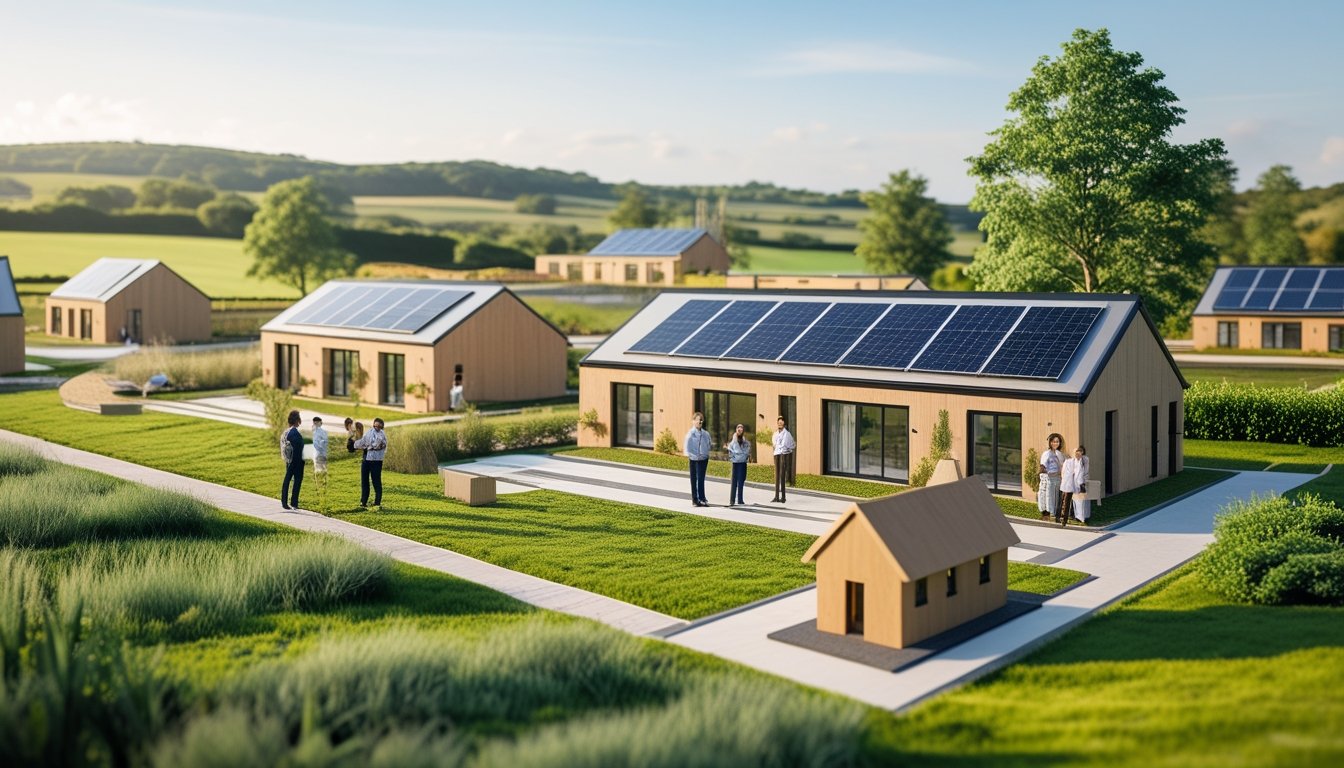
In the realm of sustainable housing innovations in rural UK, enhancing energy efficiency, integrating renewable energy sources, and leveraging local materials are pivotal. Rainwater harvesting and insulation technologies also play significant roles, while funding opportunities provide pathways for eco-friendly improvements. Let’s delve into these topics further with responses to some frequently asked questions.
What are the primary strategies for enhancing energy efficiency in rural UK homes?
Improving energy efficiency in rural homes often involves adopting advanced building technologies and implementing energy-saving measures. We focus on upgrading insulation, installing energy-efficient windows, and utilising smart home systems to optimise energy use. Additionally, homeowners can benefit from regular energy audits to identify and rectify inefficiencies.
How are renewable energy sources being integrated into rural housing developments?
Many rural developments are increasingly relying on renewable energy sources to power homes and reduce reliance on fossil fuels. Solar panels, wind turbines, and biomass heating systems are becoming standard features. Community energy projects also allow clusters of homes to collectively harness renewable resources, making them a sustainable option for rural areas.
What role does insulation play in reducing the carbon footprint of rural residences?
Effective insulation is critical for minimising heat loss and lowering the carbon emissions of rural homes. By using materials like sheep’s wool and recycled cellulose, we can improve thermal efficiency while maintaining environmentally friendly practices. Proper insulation reduces the need for extensive heating and cooling, thereby cutting down on energy consumption and associated emissions.
How is rainwater harvesting being utilised in the UK's countryside dwellings?
Incorporating rainwater harvesting systems is an effective strategy for reducing water usage in rural homes. These systems collect and store rainwater for non-potable uses such as irrigation and flushing toilets. By utilising this natural resource, we not only conserve water but also decrease the demand on the public water supply, enhancing sustainability.
In what ways are local materials and construction techniques being leveraged to promote sustainability?
Utilising local materials helps reduce transportation emissions and supports regional economies. We see a resurgence of traditional construction techniques that employ sustainable materials like timber and stone. By incorporating these methods, rural housing developments not only promote environmental responsibility but also preserve cultural heritage.
What funding opportunities exist for rural homeowners looking to invest in eco-friendly housing improvements?
Various funding programmes are available to support rural homeowners seeking sustainable upgrades. Government grants, low-interest loans, and rebates can significantly offset the costs of eco-friendly renovations. These financial incentives motivate individuals to invest in renewable technologies and energy-efficient improvements, making sustainable living more accessible.