
Late updated: 18 Dec 2025 13:12
Written by: Oliver Bennett
Eco-Friendly Gardening Tips For UK Rural Homes: Sustainable Practices For Lush Landscapes
Gardening in rural UK homes offers a unique opportunity to blend natural beauty with sustainable practices. We aim to create outdoor spaces that are both environmentally friendly and visually appealing. Embracing eco-friendly gardening techniques not only enhances our gardens but also supports local biodiversity and conserves vital resources.
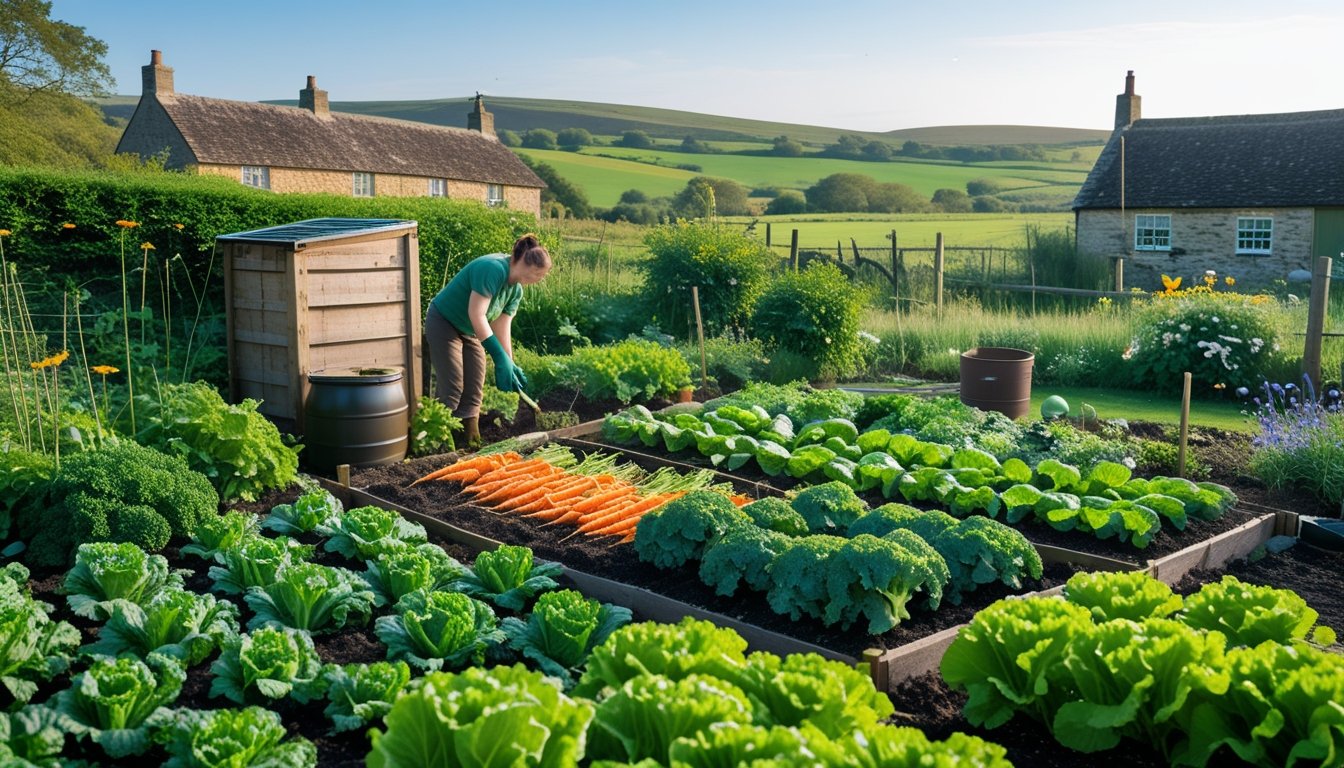
From selecting native plants that thrive in the local climate to employing organic pest control methods, each choice contributes to a healthier ecosystem. Our rural settings provide the perfect backdrop for experimenting with crop rotation and DIY gardening solutions that preserve soil health and reduce waste.
Ultimately, eco-friendly gardening is about making mindful choices that benefit our environment while enhancing the beauty of our homes. Let's explore effective strategies for nurturing sustainable gardens that flourish with minimal impact on the planet.
Key Takeaways
- Eco-friendly gardening enhances natural beauty and supports local biodiversity.
- Native plants and organic methods promote healthier ecosystems.
- Sustainable gardens benefit the environment with minimal impact.
Core Eco-Friendly Gardening Strategies for UK Rural Homes
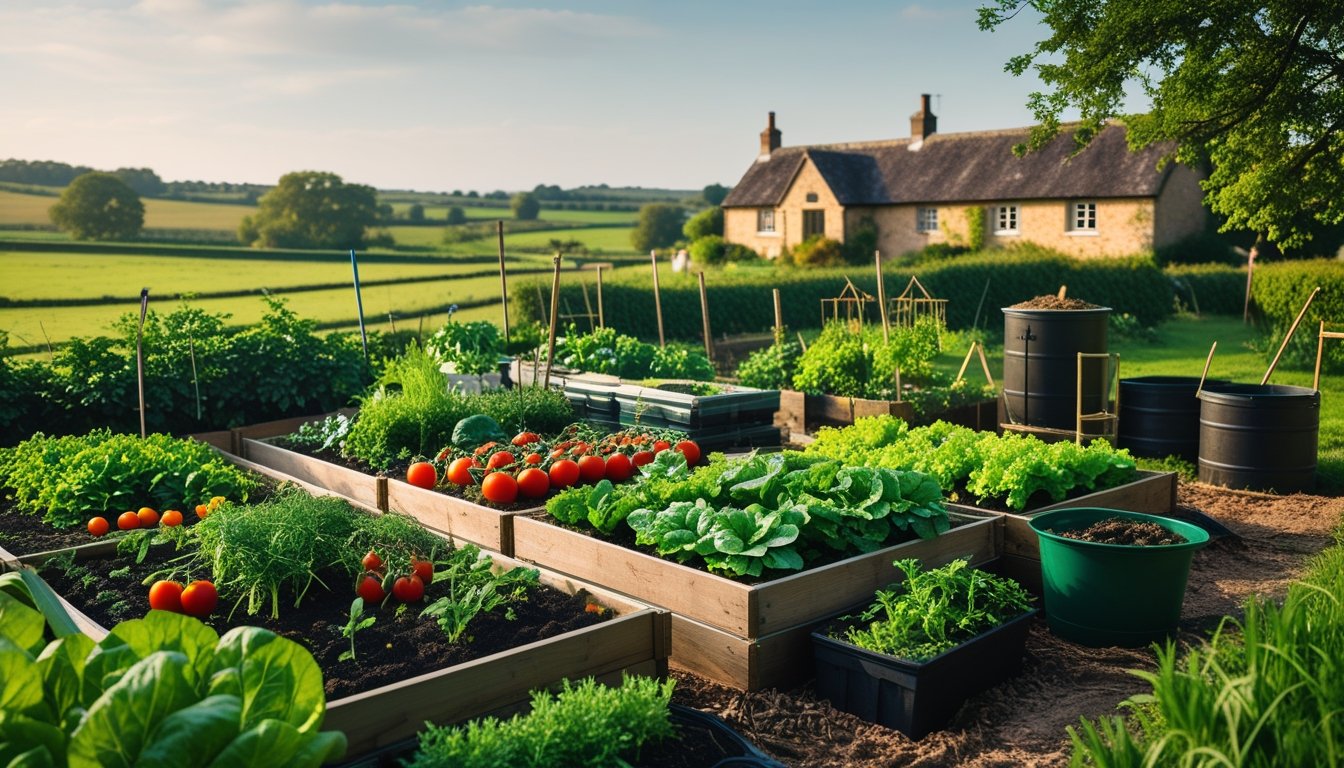
Creating an eco-friendly garden in rural UK homes involves several strategic approaches. These include understanding local climate conditions, improving soil health, conserving water, and carefully selecting plant species. Each of these elements plays a critical role in fostering a sustainable and resilient garden environment.
Assessing Climate and Site Conditions
Understanding the local climate and site-specific conditions is crucial for successful gardening. Rural areas in the UK often experience varied weather patterns, which can affect plant growth and water management. We need to assess factors such as sunlight exposure, prevailing winds, and frost potential. This helps in deciding plant placement and shield requirements.
Furthermore, monitoring particular microclimates within the garden can guide us in choosing the most suitable plants that will thrive in specific areas. Coastal regions, for example, might require more salt-tolerant plants, while elevated, windy sites may need protection like windbreaks. By acknowledging and adapting to these differences, we can make more informed decisions that support sustainable gardening practices.
Soil Health and Organic Matter Improvement
The health of our soil is paramount for sustainable gardening. We need to focus on enriching soil quality through the inclusion of organic matter, such as compost. Composting not only improves soil structure and fertility but also reduces waste. By incorporating natural compost, we enhance microbial activity and nutrient availability.
Additionally, using soil amendments like well-rotted manure or green manures can boost organic content and promote better water retention. Peatlands, although rich, should be considered carefully due to their environmental sensitivity. For eco-conscious gardeners, we recommend avoiding peat-based products and instead opting for organic alternatives that support a healthy, dynamic soil ecosystem.
Water Conservation and Rainwater Harvesting
Water conservation is a cornerstone of an eco-friendly garden. In the UK, where rainfall can be unpredictable, setting up rainwater harvesting systems is particularly beneficial. Installing water butts allows us to collect and store rainwater, reducing dependency on mains water. This stored rainwater is ideal for irrigation during drier periods.
Additionally, incorporating mulching techniques can minimise evaporation and conserve soil moisture. By applying a layer of organic mulch around plants, we can significantly reduce water loss and maintain stable soil temperatures. Such practices not only conserve water but also enhance the garden's sustainable credentials and resilience during dry spells.
Selecting Native and Drought-Tolerant Plants
Choosing the right plant species is vital for a sustainable garden. Native plants are well-adapted to local climates and soils, requiring less maintenance and water. They also support local biodiversity by providing habitat and food for wildlife. UK gardeners should prioritise species that thrive naturally within their region.
Drought-tolerant plants are equally important, particularly in areas prone to water scarcity. These plants can withstand dry conditions, reducing the need for frequent watering. Including a mix of both native and drought-tolerant species promotes a diverse, resilient garden that flourishes with minimal environmental impact. By aligning plant choices with local conditions, we foster a harmonious and sustainable garden ecosystem.
Supporting Biodiversity and Wildlife While Reducing Environmental Impact
Promoting biodiversity in our gardens not only supports the local ecosystem but also helps reduce our environmental footprint. By using eco-friendly gardening techniques, we can encourage wildlife, including pollinators like bees and butterflies, while managing pests naturally and sustainably.
Companion Planting and Natural Pest Control Approaches
Companion planting is an effective method of encouraging biodiversity and managing pests in a natural way. By strategically placing plants like marigolds and lavender alongside our vegetables, we can deter pests while attracting beneficial insects. Marigolds, for instance, can repel nematodes and attract predators that feed on aphids. Additionally, the fragrance of lavender is known to deter moths and other unwanted insects.
Natural pest control doesn't just rely on plants; we can also incorporate natural predators into our gardens. Encouraging ladybirds and lacewings helps keep aphid populations in check. Integrated pest management combines these practices, minimising the need for chemical herbicides and promoting a healthier garden ecosystem.
Promoting Pollinators and Local Wildlife
Enhancing the presence of pollinators in our gardens is vital. We can achieve this by planting a diverse array of flowers and edible plants that attract bees and butterflies. Sedum, peas, beans, and fruit trees are excellent choices. These plants not only support pollinator populations but also increase our chances of a fruitful harvest.
Providing insect hotels and bug hotels can offer shelter for various pollinators and other beneficial insects. Meanwhile, bird feeders, bird baths, and bird boxes invite birds to our gardens, where they control pests and contribute to biodiversity. By fostering these connections, we create a thriving environment for local wildlife.
Creating Wildlife Habitats and Features
Creating dedicated wildlife habitats within our gardens enriches the ecosystem. Small areas of native grasses and wildflowers provide food and shelter for insects and small mammals. We can use natural features like logs or stone piles to encourage a range of wildlife, offering habitats to reptiles and amphibians.
Integrating water features, such as small ponds or water bowls, supports a wider range of species, including frogs and newts. Living boundaries using hedgerows or shrubs offer both privacy and a refuge for birds and insects. By designing our gardens with these wildlife-friendly features in mind, we strike a balance between beauty and biodiversity.
Utilising Sustainable Materials and Low-Impact Gardening Techniques
Incorporating sustainable materials and techniques into our gardens can greatly reduce our carbon footprint. Using reclaimed wood for garden furniture and raised beds not only recycles resources but adds character to our spaces. Materials such as mulch and organic fertilisers improve soil health and minimise waste.
Implementing low-impact techniques like drip irrigation conserves water, while rainwater collection systems reduce reliance on treated water. Employing crop rotation and planting cover crops enriches the soil, preventing pest build-up. By committing to these sustainable practices, we foster an eco-friendly garden that supports both biodiversity and environmental conservation.
Frequently Asked Questions
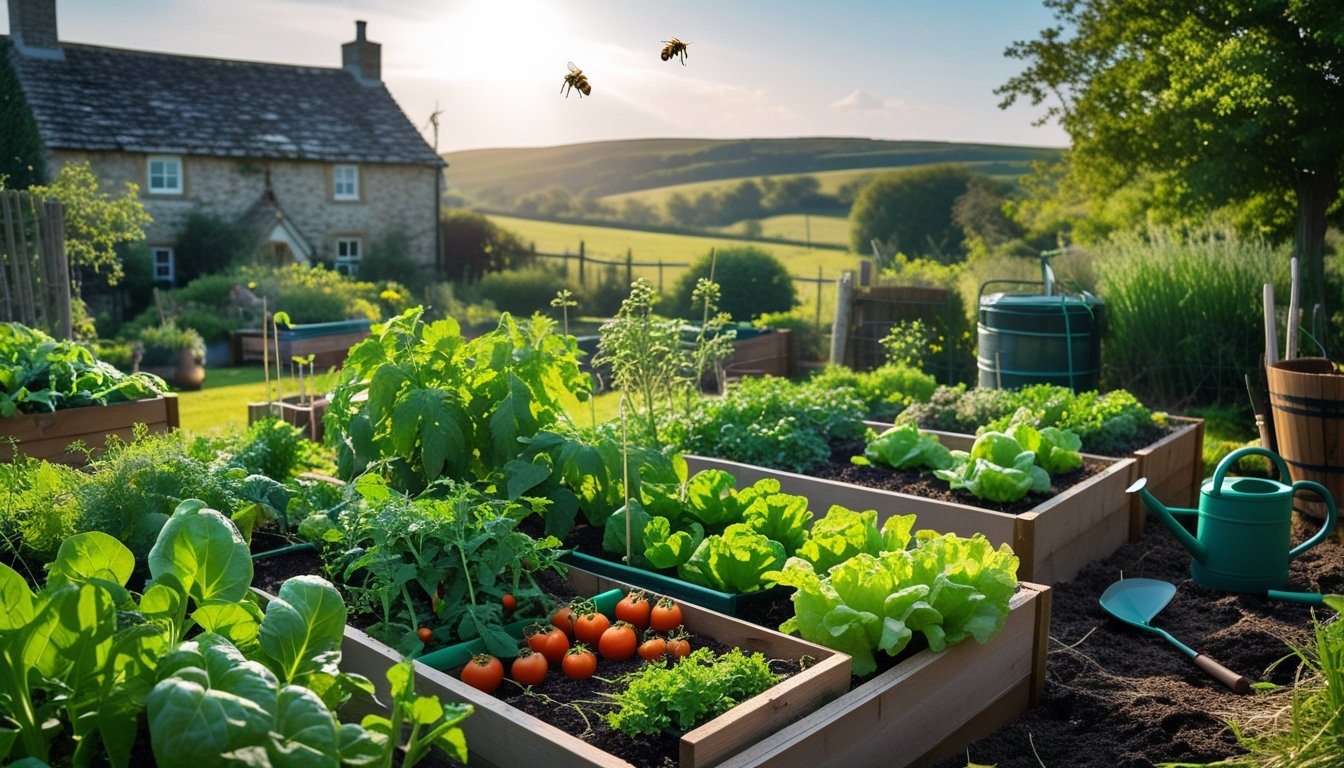
Addressing common concerns, this section offers practical advice on enhancing biodiversity, managing water efficiently, and utilising organic methods in rural UK gardens. Sustainable materials and effective pest control are also discussed to help create an environmentally conscious outdoor space.
What are the best native plants to include in a rural UK garden for promoting biodiversity?
Including native plants in our gardens is crucial to supporting local wildlife. Species such as primroses, foxgloves, and bluebells not only thrive in the UK climate but also attract bees and butterflies. Hawthorn and rowan trees offer berries that provide food for birds.
How can one effectively manage water consumption in a UK rural garden?
Water conservation is essential in sustainable gardening. We can achieve this by installing rain barrels to collect rainwater for irrigation. Drip irrigation systems are more efficient than traditional sprinklers and help minimise water wastage. Additionally, mulching reduces evaporation and helps retain soil moisture.
What are the benefits of using organic versus synthetic fertilisers in rural gardening?
Organic fertilisers improve soil health over time by enhancing its structure and nutrient content. They break down slowly, reducing the risk of leaching nutrients into waterways. In contrast, synthetic fertilisers can provide immediate nutrients but may negatively impact soil organisms and long-term soil fertility.
What methods can be employed to naturally deter pests in UK rural gardens?
Encouraging natural predators is an effective pest control method. For instance, ladybirds can help manage aphid populations. Companion planting, where certain plants are used to repel pests, is also beneficial. For example, planting marigolds can deter nematodes.
How can a composting system be implemented in a rural UK home's garden?
Composting is a straightforward process. Start by setting up a dedicated compost bin or heap in a shaded part of the garden. Layer green waste, like vegetable scraps, with brown waste, such as dry leaves, to maintain balance. Regular turning accelerates decomposition.
What are the most sustainable materials to use for landscaping in rural UK gardens?
Using materials like reclaimed wood for garden structures and natural stone for paths can reduce environmental impact. Sustainable timbers, such as those certified by the Forest Stewardship Council, offer environmentally-friendly options. Incorporating gravel or permeable paving reduces runoff and supports drainage.