
Late updated: 23 Dec 2025 10:12
Written by: Oliver Bennett
Innovative Renewable Transport Solutions For UK Rural Areas: Future Directions
Innovative renewable transport solutions are poised to transform rural areas across the UK, offering a promising alternative for communities traditionally overlooked by mainstream infrastructure enhancements. By integrating eco-friendly technologies, we can address the unique mobility challenges faced by rural residents and enhance connectivity and quality of life. These advancements not only bolster environmental sustainability but also ensure that rural regions are included in the nation's broader push towards renewable energy.

Our exploration into renewable transport includes examining key challenges that rural communities face and the innovative approaches being adopted to tackle these challenges. From demand-responsive services to the development of shared mobility options, these solutions offer practical ways to meet the mobility needs of less densely populated areas. The involvement of initiatives like the Rural Transport Accelerator Fund reflects a dedicated effort by the UK government to invest in the future of rural transport.
As we delve further into this topic, we'll highlight leading projects that showcase the potential of renewable technology in transforming rural transport. Our discussion aims to shed light on the roadmap for a sustainable future, emphasising the importance of collaboration among small businesses, local authorities, and government bodies.
Key Takeaways
- Innovative transport solutions enhance rural connectivity.
- UK's focus on renewable energy supports rural advancements.
- Government initiatives promote sustainable rural transport.
Key Challenges and Needs for Rural Transport Innovation
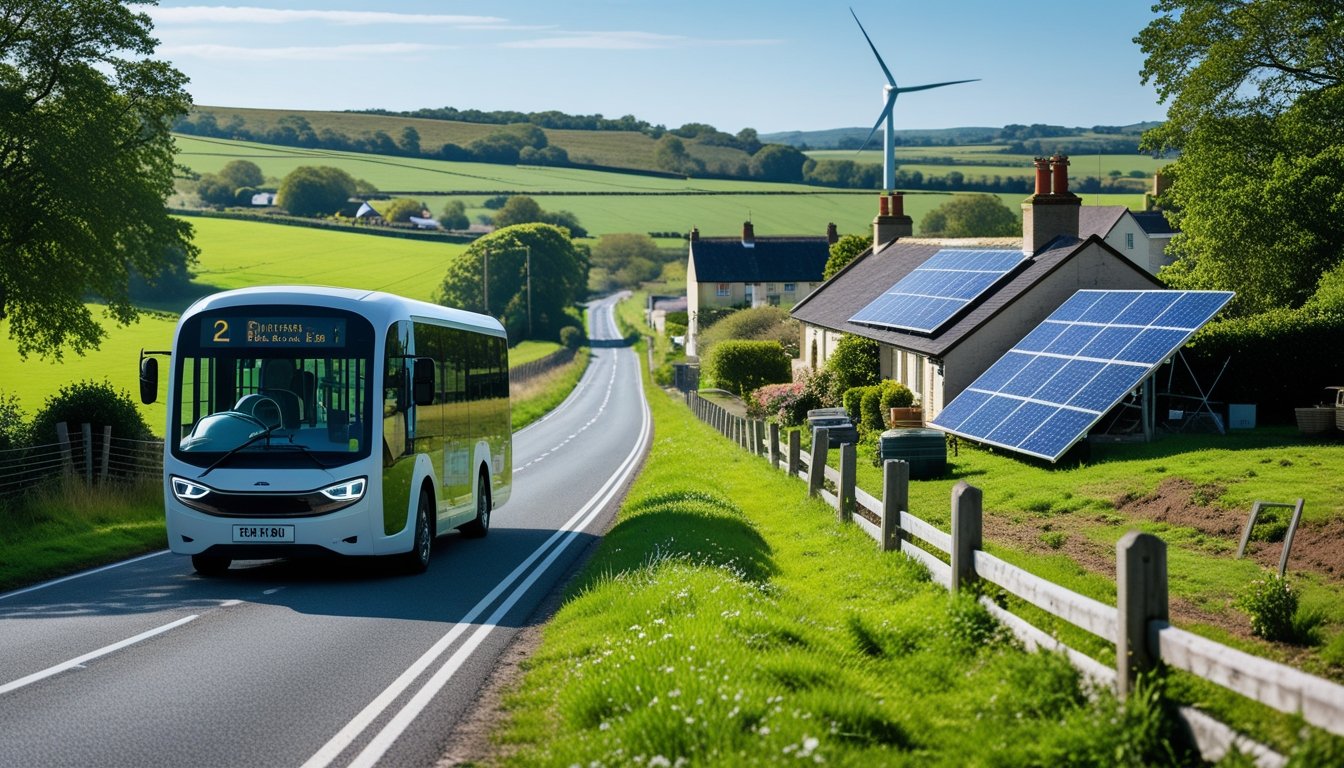
Innovating rural transport requires addressing several hurdles, such as enhancing accessibility to services and reducing reliance on private vehicles. As communities evolve, the necessity for integrated and sustainable public transport grows, demanding our focused attention.
Overcoming Rural Transport Challenges
Rural areas face significant issues, including long distances and limited transport infrastructure. Many regions are plagued by high travel costs and infrequent transport services, making accessibility to essential services challenging. Local authorities must assess these unique conditions, implementing strategic planning to develop tailored solutions.
Investment in rural roads, bridges, and other critical infrastructure can improve connectivity. Integrated transport systems that combine various modes, like buses and cycling paths, will foster a more interconnected network. Encouraging active travel, such as walking and cycling, can also offer sustainable and health-conscious choices for residents. It’s vital that we adopt a diversified approach, addressing multiple factors simultaneously to meet the demand effectively.
Reducing Car Dependency in Rural Communities
Car dependency remains a significant problem within rural communities, limiting both individual mobility and overall sustainability. Many areas lack viable alternatives to private vehicle use, leading to congestion and environmental consequences. Reducing car dependency therefore becomes crucial in fostering a sustainable future.
To tackle this, we advocate for strengthening public transport amenities—ensuring frequent, reliable services that meet diverse needs. Initiatives like car-sharing schemes can also reduce the necessity of individual car ownership. Local authorities need to explore incentives for residents who choose public or active transport methods. By addressing these challenges, we can create a more balanced and sustainable transport system that meets rural needs effectively.
Addressing Public Transport Accessibility and Integration
Accessibility and integration of public transport in rural settings remain a formidable challenge. Sparse population density often results in fewer service options, contributing to social isolation and limited access to jobs and services. A focus on improving public transport accessibility can mitigate these issues substantially.
We believe integrated transport networks should provide seamless connections between different modes of transport. This includes synchronised timetables and real-time updates to enhance accessibility. Additionally, leveraging digital technologies can promote smart transportation solutions, tailoring services to residents' needs.
Collaboration between transport planning authorities and communities is necessary to ensure responsive and efficient services. By implementing these strategies, we can foster a more inclusive transport environment that accommodates the needs of all rural residents.
Innovative Renewable Transport Solutions and Leading Projects
In exploring solutions for renewable transport in rural areas, it's essential to understand key initiatives that propel sustainable mobility. These include the strategic use of government funding, digital advancements for planning and insights, the development of inclusive infrastructure, and the integration of electric and renewable energy vehicles.
Government Funding and Support Programmes
Our efforts are supported by substantial government initiatives focused on transformative transport projects. The Rural Transport Accelerator Fund aims to catalyse innovation by providing grants to accelerate project development. Norfolk County Council is one of many recipients, advancing projects that take advantage of solar power and recycled materials like car tyres. Equally transformative is the Innovation Accelerator, which collaborates with projects integrating sustainable transport solutions into rural infrastructure.
Connected Places Catapult plays a pivotal role, facilitating connections between enterprises and local councils such as Milton Keynes and Warwickshire, thereby ensuring tailored solutions meet regional needs. By focusing on enhancing community transport, these programmes are pivotal in overcoming rural mobility challenges.
Digital Tools and Data-Driven Decision Making
The advent of digital tools has transformed how we approach rural mobility. Companies like you.smart.thing and urbantide provide platforms that harness data insights to optimise transport systems. These tools are invaluable in developing behavioural travel models that cater specifically to rural needs, focusing on health providers and hospital patient journeys.
In Suffolk and Herefordshire, these digital tools are being leveraged to enhance agricultural transportation, addressing seasonal variances and logistical complexities. Decision-making processes are becoming more intelligent, allowing for dynamic adjustments in transport services that reflect real-time demands.
Active Travel and Sustainable Infrastructure Projects
Our commitment to active travel and infrastructure is evident in the numerous projects under development. Initiatives in South East Scotland, for instance, showcase innovative approaches integrating cycling and sustainable transport facilities into rural frameworks. Civil water management systems complement these efforts, ensuring paths and trails remain viable year-round.
Incorporating facilities that support non-motorised transport, such as cycling lanes and pedestrian pathways, contributes significantly to reducing carbon emissions. The holistic approach ensures that sustainability is at the forefront, with spaces prioritising accessibility and promoting community health.
Electric Vehicles and Renewable Energy for Rural Mobility
The integration of electric vehicles (EVs) within rural settings is crucial to sustainable mobility. By leveraging renewable energy sources such as wind and solar, regions like Fife are making strides in reducing dependence on traditional fuel types. EVs enable connections to rural hospital services and support regional health initiatives by offering reliable, eco-friendly transport options.
Moreover, collaborative projects with local councils facilitate the installation of necessary infrastructure, such as charging stations powered by renewables. This support ensures that shared transport systems are sustainable, affordable, and accessible, meeting the unique needs of rural communities.
Frequently Asked Questions
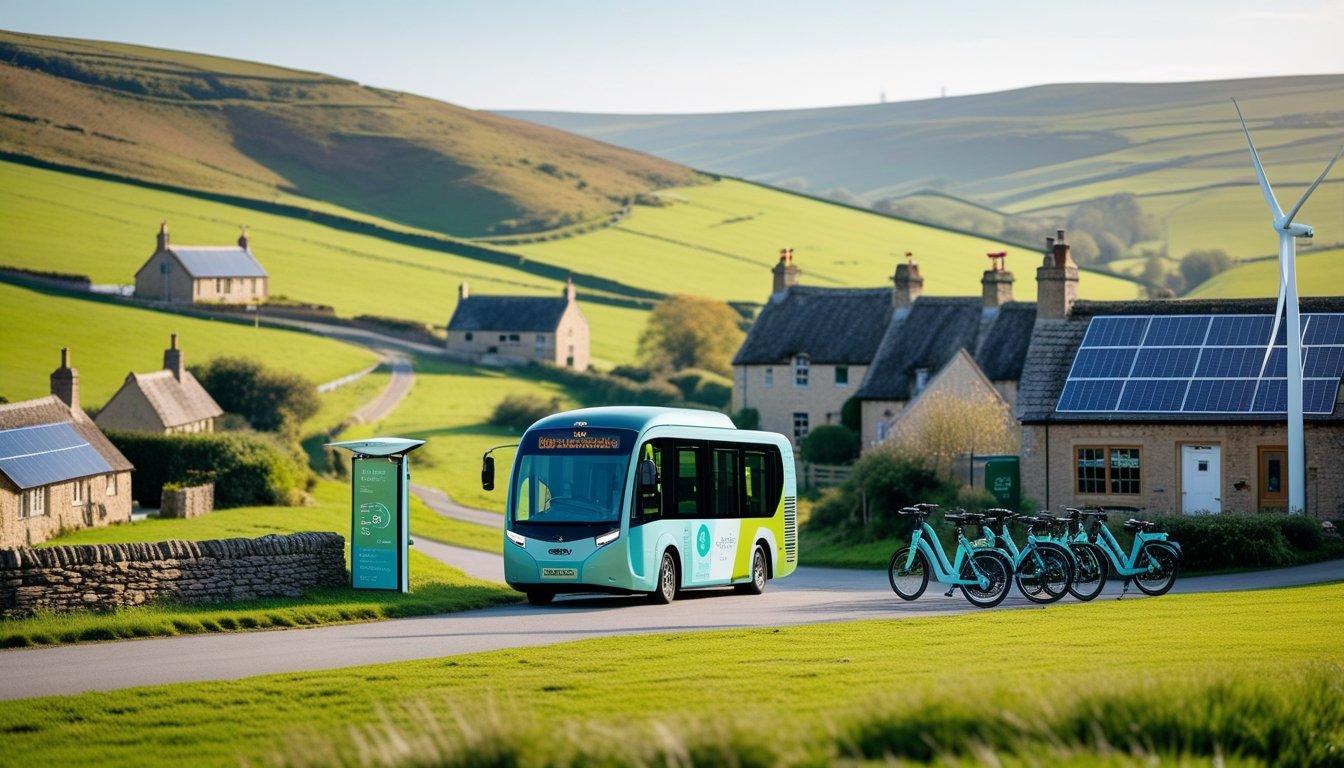
In exploring renewable transport solutions in rural UK areas, we assess successful implementations, their contribution to sustainability goals, and available funding opportunities. We also address the challenges faced and the role of government policy.
What are the most successful examples of renewable transport solutions implemented in rural areas of the UK?
In rural UK areas, electric buses and solar-powered charging stations have emerged as successful transport solutions. These technologies have improved transport efficiency and reduced emissions in various communities.
How do renewable transport solutions contribute to the sustainability goals of the UK's rural regions?
These solutions align with sustainability objectives by decreasing carbon footprints and promoting cleaner alternatives. Renewable transport aids in shifting rural areas towards more environmentally responsible practices.
What funding opportunities are available for developing renewable transport infrastructure in UK's countryside?
The UK government provides various grants, such as the Rural Transport Accelerator Fund, to support infrastructure development. These financial incentives aim to foster innovation and enhance transport options in rural settings.
What challenges do renewable transport solutions face in UK's rural areas and how can they be overcome?
Rural regions often face challenges like limited infrastructure and high implementation costs. Overcoming these requires targeted funding, community engagement, and technological advancements to ensure reliable and accessible transport networks.
How does the adoption of renewable transport solutions impact the rural economy and community life in the UK?
The adoption boosts local economies by creating jobs and improving accessibility to essential services. It also enhances community life by reducing transport costs and increasing connectivity.
What role does government policy play in facilitating the use of renewable transport in rural locations across the UK?
Government policy is vital in setting frameworks that encourage renewable transport use. By providing funding, research support, and regulatory guidelines, policies ensure that rural areas benefit from sustainable transport advancements.