
Late updated: 31 Dec 2025 09:12
Written by: Oliver Bennett
Sustainable Practices For UK Countryside Living: Embracing Eco-Friendly Traditions
Sustainable living in the UK countryside is more than just an environmental approach; it's a lifestyle choice that harmonises with nature while enhancing our well-being. By integrating sustainable practices, we can create a balanced relationship with our rural environment, ensuring both ecological health and community vitality. The UK countryside is a tapestry of rich biodiversity and landscapes that can be preserved and nurtured through thoughtful living choices.
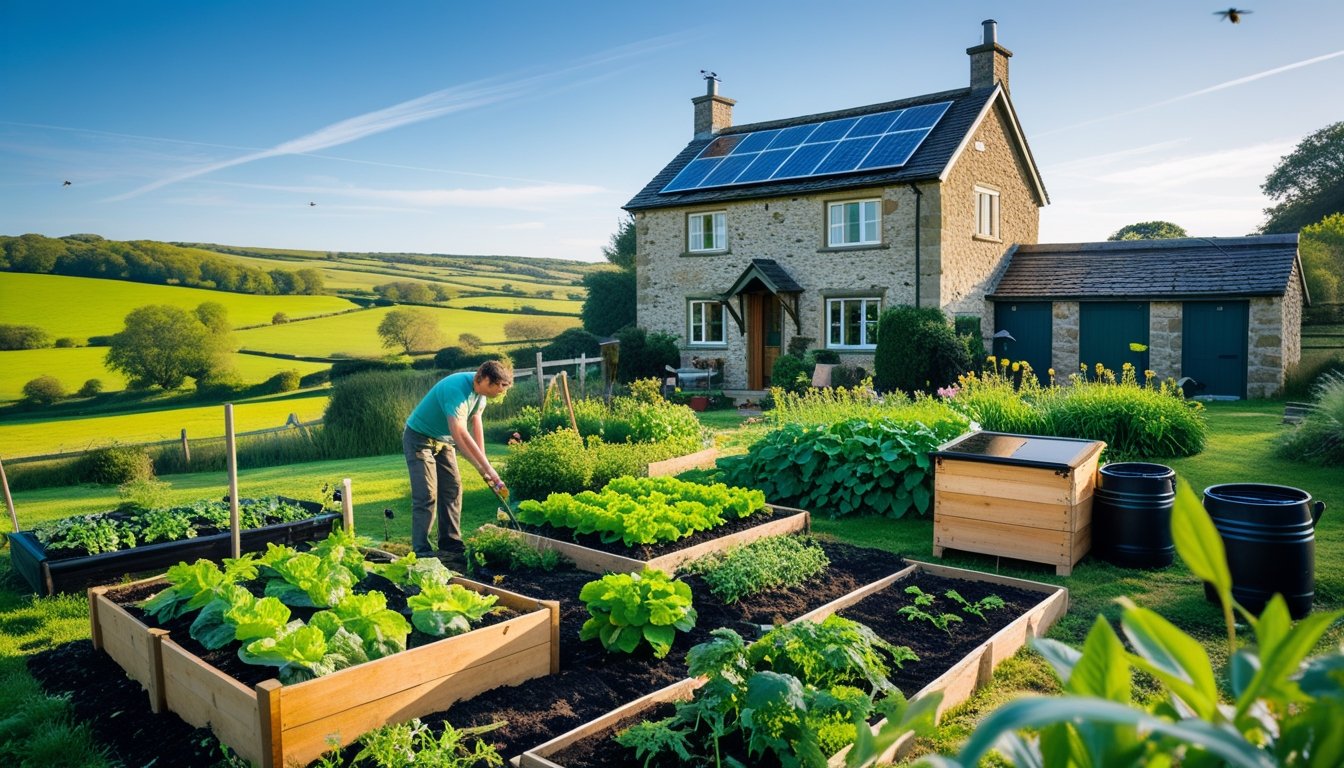
Our journey towards sustainability involves embracing innovative techniques like low-carbon rural architecture, off-grid designs, and renewable energy solutions. These strategies not only reduce our ecological footprint but also improve efficiency and quality of life in rural settings. As we explore these options, we aim to empower communities to adopt practices that support a resilient and self-sufficient lifestyle.
A key part of this transformation is fostering strong community ties and self-sufficient initiatives, which are central to sustainable rural living. By working together, we can support a network of skills and resources that benefit everyone in the community. This collaborative effort paves the way for a future where countryside and conservation thrive side by side.
Key Takeaways
- Sustainable practices enhance ecological health in the countryside.
- Innovations like renewable energy solutions improve rural life.
- Strong community ties support self-sufficiency and resilience.
Core Sustainable Practices and Innovations for UK Countryside Living
In the UK countryside, sustainable living practices are not just a trend but a necessity. Integrating renewable energy solutions, optimising energy efficiency through smart technologies, adopting eco-friendly construction methods, and conserving water are essential elements to reduce our carbon footprint and promote environmental stewardship.
Renewable Energy Solutions for Rural Homes
Applying renewable energy in rural settings involves several practical solutions. Solar panels and wind turbines are viable options, capitalising on open spaces and abundant natural resources. The Green Homes Grant has facilitated the installation of these technologies, making them more affordable. Additionally, biomass boilers offer an alternative to traditional heating methods, using organic materials to produce energy efficiently. These installations not only reduce our reliance on fossil fuels but significantly decrease the environmental impact associated with conventional energy sources. By harnessing local resources, rural homes can achieve greater sustainability and self-sufficiency.
Energy Efficiency and Smart Technologies
Improving energy efficiency in countryside homes goes beyond renewable installations. Smart thermostats and energy-efficient appliances lead the charge in reducing household energy consumption. Incorporating smart technologies allows us to optimise the usage of electrical appliances, significantly cutting energy waste and costs. Passive design principles, such as proper insulation and strategic window placement, further enhance energy conservation by regulating indoor temperatures naturally. These practices ensure we not only maintain comfort but also uphold high standards of sustainability, aligning with the broader goals of lowering carbon emissions and embracing green technologies.
Eco-Friendly Building and Sustainable Materials
Building sustainably involves using materials that have a lower environmental impact and are sourced responsibly. Sustainable materials like reclaimed wood, bamboo, and recycled steel play a pivotal role in eco-friendly construction. These materials reduce waste and support recycling initiatives, leading to lesser resource depletion. Incorporating passive design in construction—leveraging natural ventilation and lighting—also conserves energy. Adopting these methods fosters an environment where we live sustainably, aligning our rural lifestyle with global sustainability standards and supporting the integrity of the natural landscape.
Water Conservation and Management
Water conservation is crucial in countryside living, where resources may be more limited. Techniques such as rainwater harvesting and efficient water management systems are essential. Recycling water for gardening and composting not only conserves potable water but also supports agricultural practices typical in rural areas. Implementing technologies for waste water treatment and efficient plumbing significantly reduces water wastage. By promoting these measures, we can conserve water resources, ensuring their availability for future generations while reducing our overall environmental footprint.
Community, Self-Sufficiency, and Sustainable Lifestyles

Our pursuit of sustainable countryside living hinges on community-based initiatives, where self-sufficiency and eco-friendly lifestyles are central to enduring environmental and social well-being. This approach integrates local food production, enhancement of biodiversity, resource sharing, and eco-conscious living practices.
Growing and Sourcing Local and Organic Food
Building a robust local food system starts with the philosophy of grow your own food. We find potential in small-scale, organic farming and permaculture, which allow us to cultivate produce without relying heavily on external systems. Emphasising organic farming encourages the use of natural pesticides and promotes soil health, ensuring high-quality produce free from harmful chemicals. By sourcing food locally, we reduce transport emissions and support local economies. Community gardens in rural areas also facilitate shared food production, augmenting community bonds while encouraging dietary diversity and food security.
Promoting Biodiversity and Sustainable Agriculture
Promoting biodiversity within our farms and gardens plays a crucial role in developing sustainable agricultural practices. By integrating a variety of plant species, we create habitats that support local wildlife, including pollinators essential for food production. This approach not only enhances the resilience of our ecosystems but also aids in pest control and soil enrichment. Sustainable agriculture involves crop rotation, organic fertilizers, and natural pest control methods to maintain ecological balance. As we adopt these practices, we contribute to a more sustainable and biodiverse countryside, fostering an environment where both people and nature thrive.
Shared Resources and Eco-Village Life
Eco-villages demonstrate the essence of shared resources and communal living. These communities prioritise resource efficiency and community resilience, embodying cooperation through shared tools, communal spaces, and housing cooperatives. Eco-villages often implement renewable energy systems, rainwater harvesting, and organic waste recycling, creating a self-sufficient environment. This collaborative approach reduces individual resource consumption while fostering a sense of belonging and mutual support. As part of an eco-village, we gain the benefits of shared knowledge and skills, boosting our capacity to live sustainably and in harmony with nature.
Sustainable Work, Fashion, and Daily Living
Sustainable living extends beyond food and agriculture. Our daily practices, including work, fashion, and household management, contribute to an eco-friendly lifestyle. With growing remote work opportunities, we can minimise commuting and urban congestion. By choosing sustainable fashion, we opt for clothing made from eco-friendly materials and support ethical labour practices. In our homes, using natural cleaning products and reducing energy consumption underscore sustainable daily living. These habits not only diminish our environmental footprint but also promote a healthier living environment for our families and communities.
Frequently Asked Questions
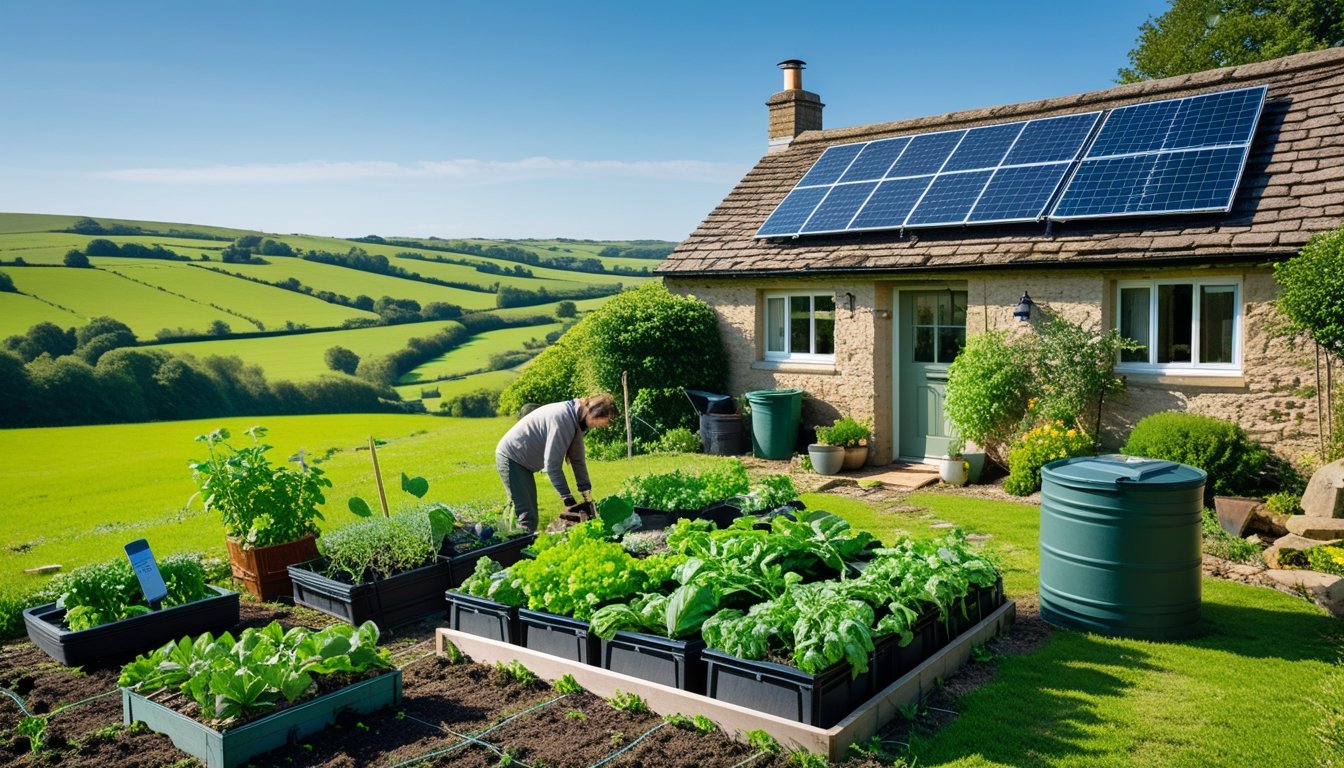
In addressing sustainable practices for UK countryside living, it's vital to focus on energy conservation, land management for biodiversity, sustainable agriculture, waste management, water conservation, and renewable energy adoption.
What are effective strategies for reducing energy consumption in rural homes?
In rural homes, energy efficiency can be achieved through various power-saving strategies. Insulating homes and implementing double glazing reduces heat loss significantly. Using energy-efficient appliances and investing in smart home technologies can also help reduce consumption.
How can local biodiversity be protected through land management in the countryside?
Protecting local biodiversity involves mindful land management practices. We can incorporate native plant species, establish wildlife corridors, and avoid excessive use of pesticides. Encouraging natural wildlife habitats supports local ecosystems.
What practices contribute to sustainable agriculture in the United Kingdom?
Sustainable agriculture practices include crop rotation, organic farming, and integrated pest management. By adopting these methods, we can enhance soil health and reduce our reliance on chemical inputs. Employing techniques that conserve water and improve soil structure is essential for long-term productivity.
In what ways can rural communities effectively manage waste and recycling?
Effective waste management in rural communities involves both reducing waste generation and enhancing recycling efforts. Programmes that focus on composting organic waste, along with accessible recycling facilities, can significantly lower landfill contributions. Education on waste segregation strengthens community participation.
How can water resources be conserved in a UK rural setting?
Water conservation can be achieved through several measures tailored to rural areas. Installing rainwater harvesting systems and using efficient irrigation methods mitigate water wastage. Educating communities about reducing water use during dry spells also plays a crucial role.
What initiatives support renewable energy adoption for countryside residents?
We have the potential to increase renewable energy adoption through various community and government-backed initiatives. Grants and incentives for installing solar panels or wind turbines make these options more accessible. Shared community energy projects further promote collective sustainability efforts.