
Late updated: 03 Jan 2026 08:01
Written by: Oliver Bennett
Innovative Approaches To Sustainable Living In The UK: New Strategies And Solutions
In recent years, the United Kingdom has emerged as a global leader in sustainable living, embracing innovative strategies that drive both environmental and economic benefits. From vertical farming to eco-friendly housing, the UK's approach to sustainability is characterised by cutting-edge solutions that aim to reduce carbon emissions and promote efficient resource use. These efforts are not just limited to technology and infrastructure; community-led initiatives and nature-integrated approaches are transforming urban and rural landscapes alike.
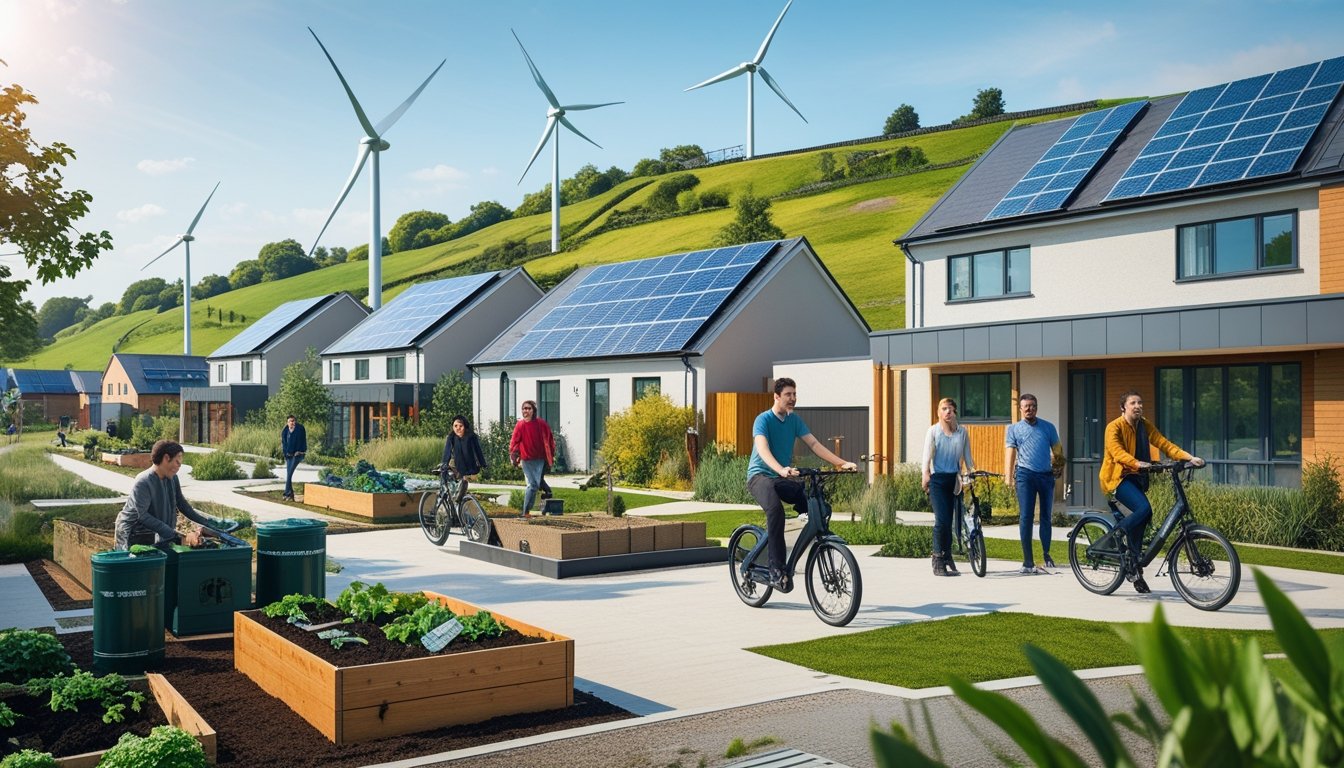
The UK's comprehensive framework encompasses sectors ranging from energy and transportation to agriculture. As cities become hubs of eco-friendly technologies, the focus shifts to creating resilient communities equipped to tackle climate change challenges. By fostering an atmosphere of collaboration and innovation, we are not only addressing environmental concerns but also enhancing quality of life across the nation.
To dig deeper into the exciting developments propelling the UK's journey towards sustainability, readers can explore how these innovations are reshaping lifestyles for people of all ages. We invite you to join us on this exploration of the innovative approaches that are making sustainable living a reality in the UK.
Key Takeaways
- UK leads with innovations in sustainable living.
- Community and nature are core to eco-friendly strategies.
- Sustainable solutions benefit both the environment and economy.
Cutting-Edge Solutions for Sustainable Living in the UK
Innovative approaches to sustainable living are transforming the UK. We're witnessing advancements in eco-friendly housing, clean energy, efficient resource use, and smart urban infrastructure. Each strives to reduce our ecological footprint and optimise living conditions.
Innovative Eco-Friendly Housing and Building Practices
The UK is at the forefront of sustainable housing innovations, employing green building practices to create eco-friendly homes. High-performance insulation and environmentally responsible building materials reduce energy consumption dramatically. This is crucial as the demand for energy-efficient housing intensifies. Advanced insulation techniques, such as double glazing and airtight construction, minimise heat loss and contribute to affordable housing solutions.
Utilising recycled materials and sustainable resources promotes a circular economy, reducing waste in construction. Green roofs and living walls are becoming popular, providing natural insulation and improving air quality in urban areas. To exemplify, residential developments like Rubicon Sustainable Living integrate cycling infrastructure and communal spaces to foster a sense of community, all while maintaining eco-friendly standards.
Advanced Renewable Energy Adoption and Clean Technologies
The UK’s commitment to renewable energy is evident in the increasing use of solar panels, wind farms, and heat pumps. These technologies contribute significantly to achieving net zero targets. Community solar projects and microgrids ensure local renewable energy production, making clean energy accessible to more households.
Efforts to promote energy-efficient lighting, such as LED systems, further reduce energy consumption. Integration of smart meters allows for real-time monitoring of energy use, empowering consumers to make informed decisions. As we adopt these clean technologies, the transition to a sustainable living environment becomes achievable.
Resource Efficiency: Circular Economy, Recycling and Waste Reduction
Resource efficiency remains pivotal in the UK’s sustainable development. Embracing a circular economy model is crucial, emphasising the importance of recycling and reusing materials to minimise waste. Initiatives focusing on waste reduction are essential, as they aim to reduce the ecological burden on landfills.
Encouraging recycling not only conserves resources but also reduces the carbon footprint associated with manufacturing new products. The development of green technologies, such as converting waste into bioenergy, presents a promising avenue for sustainable waste management. These practices support the UK’s commitment to reducing its environmental impact by fostering efficient use of resources.
Smart Urban Infrastructure and Sustainable Transport
Innovations in smart city technologies and sustainable transport systems play a key role in shaping the future of urban living in the UK. Investment in electric vehicles and supportive infrastructure aids the shift towards eco-friendly transport. Additionally, enhancements in public transport systems provide efficient alternatives to car travel, reducing emissions significantly.
The expansion of cycling infrastructure in cities promotes healthy, sustainable commuting options. Establishing green infrastructure, such as urban green spaces and rainwater harvesting systems, contributes to resilient and adaptable urban environments. These smart urban solutions not only lower carbon emissions but also enhance quality of life, driving the UK towards a more sustainable future.
Community-Led Innovations and Nature-Integrated Approaches
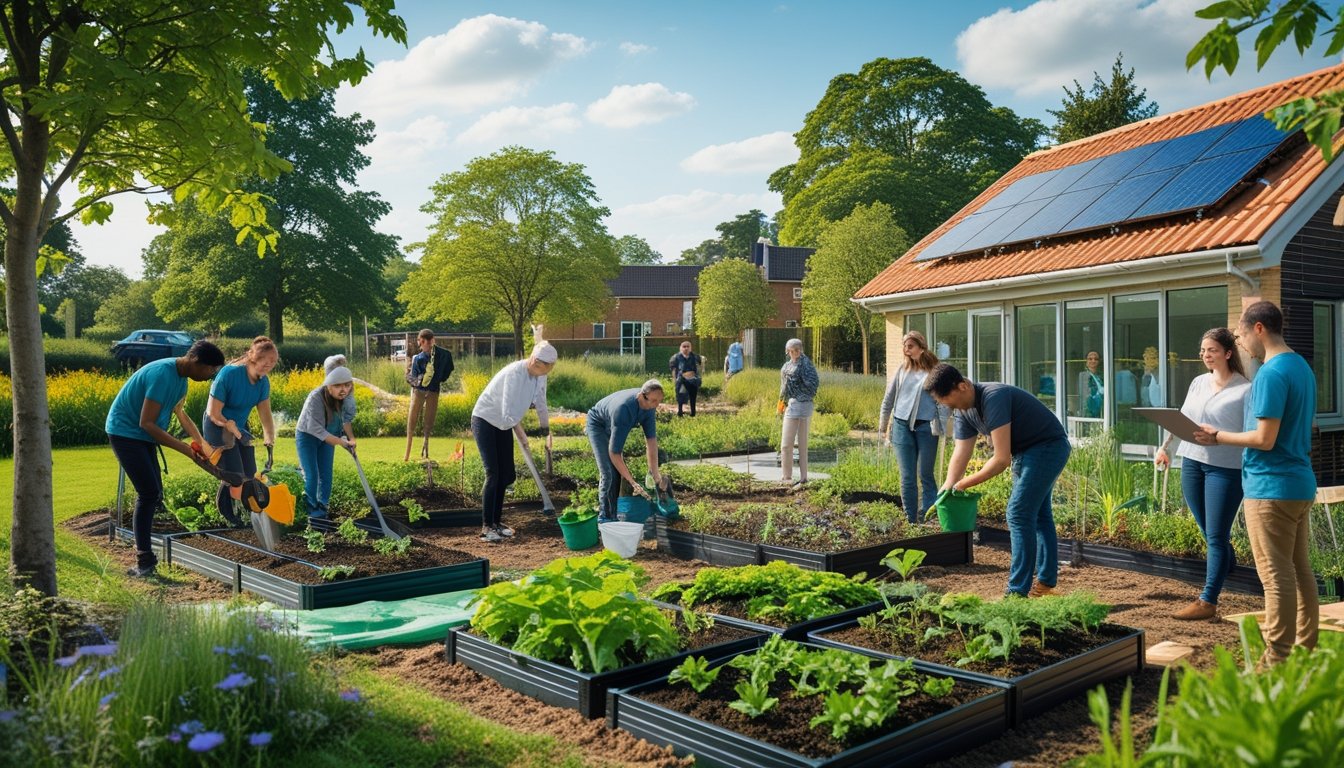
Community-led innovations play a pivotal role in advancing sustainable living in the UK, combining local efforts with nature-integrated strategies. These approaches embrace community collaboration, ecological awareness, and shared resource management to foster a sustainable and resilient future.
Grassroots Projects: Urban Gardening, Community Engagement, and Involvement
Urban gardening initiatives are vital in addressing food security and promoting biodiversity in urban settings. Community gardens, often nurtured by local residents, transform underutilised city spaces into vibrant green hubs. These projects encourage community engagement by involving locals in gardening activities and decision-making processes, strengthening community bonds. Through urban farming, residents gain access to fresh produce, supporting healthier lifestyles and reducing food miles. Composting initiatives linked to these gardens enhance waste reduction, transforming organic waste into valuable fertiliser. By fostering sustainable urban living, these grassroots projects lay the groundwork for ecological resilience and social cohesion.
Biodiversity Enhancement and Green Space Regeneration
Biodiversity enhancement in urban areas is crucial in mitigating the effects of climate change. Green space regeneration projects aim to restore native habitats, providing sanctuary for local wildlife. Community-led initiatives collaborate with local councils and environmental organisations to champion the creation of parks and nature reserves. Such efforts not only preserve biodiversity but also improve mental well-being for residents, offering spaces for recreation and relaxation. Utilising green infrastructure, these projects integrate natural solutions like rain gardens and green roofs, which aid in stormwater management and temperature regulation. By embedding nature into urban landscapes, we pave the way for sustainable urban development.
Community Resource Sharing and Shared Renewable Initiatives
Shared renewable initiatives are becoming increasingly popular as communities strive for energy independence. Community solar projects empower groups to harness solar power, reducing dependence on fossil fuels and lowering energy costs. Such projects often involve collective ownership or investment, making renewable energy accessible to all, including those who can't install personal solar panels. Community resource sharing extends to transportation, with initiatives promoting sustainable transport like car-sharing schemes and improved public transport networks. By pooling resources, communities can manage their environmental impact more effectively while promoting economic growth and social equity. These cooperative projects highlight the potential for collective action to drive sustainable, energy-efficient living.
Frequently Asked Questions
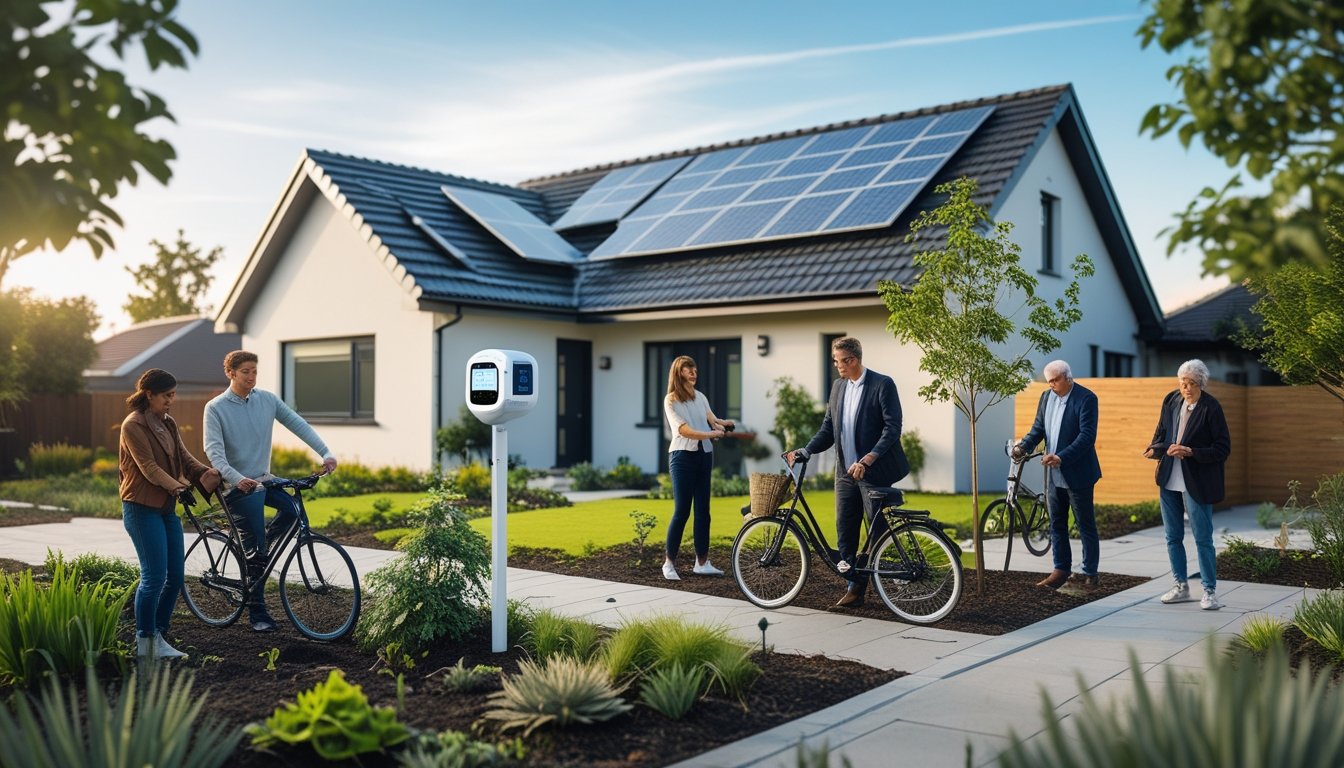
In the UK, sustainable living has seen innovations in housing technologies and renewable energy integration. Urban areas are reimagining public transport systems to lower emissions, while communities lead successful sustainability projects. Various incentives exist to encourage energy efficiency, and water conservation is becoming pivotal in home and urban design.
What are the emerging sustainable housing technologies in the UK?
In the UK, new housing technologies focus on energy efficiency and eco-friendly materials. Innovations such as insulated concrete forms and advanced solar panel systems are key. These technologies aim to reduce energy consumption and promote sustainable construction practices.
In what ways are renewable energies being integrated into UK homes?
UK homes are increasingly adopting renewable energy solutions, including solar panels and wind energy systems. Energy storage technologies, such as home batteries, are also being utilised to maximise energy use. This integration helps cut down on reliance on fossil fuels.
How are UK cities adapting public transport to reduce carbon emissions?
Cities across the UK are focusing on electrifying public transport and improving cycling infrastructure. Electric buses and vehicle charging stations are becoming more prevalent. These changes aim to reduce the carbon footprint of urban transportation networks.
What community-led projects have been successful in promoting sustainability in the UK?
Several UK communities have initiated projects to promote sustainability, such as local food co-operatives and zero-waste stores. Eco-villages and community-led energy schemes have also been effective. These projects are fostering a cultural shift towards greener living.
What incentives are available for UK homeowners to improve energy efficiency?
Homeowners in the UK can take advantage of various government incentives, like the Green Homes Grant. There are also discounts and rebates for installing energy-efficient appliances. These incentives help reduce the cost of upgrading homes to be more energy-efficient.
How is water conservation being addressed in UK home and urban designs?
Water conservation efforts in the UK include the implementation of rainwater harvesting systems and efficient plumbing fixtures in homes. Urban designs increasingly incorporate green spaces that help manage runoff and promote natural water cycles. These measures aim to sustain water resources.